

English


Paperback
₹1216
₹1537
20.88% OFF
(All inclusive*)
Delivery Options
Please enter pincode to check delivery time.
*COD & Shipping Charges may apply on certain items.
Review final details at checkout.
Looking to place a bulk order? SUBMIT DETAILS
Delivery Options
Please enter pincode to check delivery time.
*COD & Shipping Charges may apply on certain items.
Review final details at checkout.
About The Book
Description
Author(s)
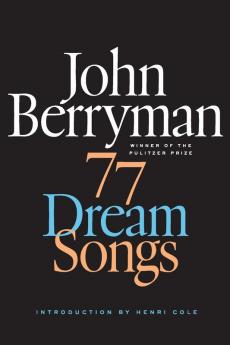
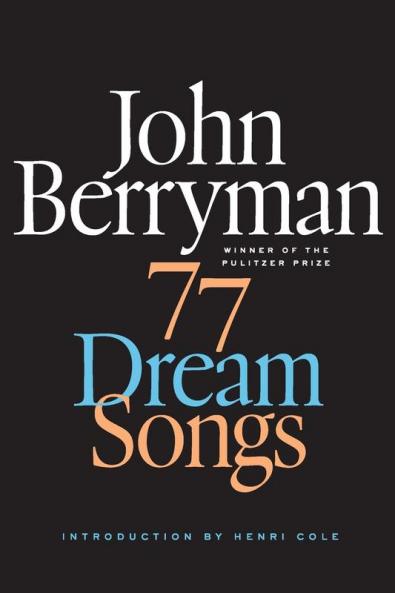
<p><strong style=color: rgba(0 0 0 1)>A wild masterful Pulitzer Prize-winning cycle of poems that half a century later still shocks and astounds</strong></p><p><span style=color: rgba(0 0 0 1)>John Berryman was hardly unknown when he published&nbsp;</span><em style=color: rgba(0 0 0 1)>77 Dream Songs</em><span style=color: rgba(0 0 0 1)> but the volume was nevertheless a shock and a revelation. A spooky collection in the words of Robert Lowell-a maddening work of genius.</span></p><p><br></p><p><span style=color: rgba(0 0 0 1)>As Henri Cole notes in his elegant perceptive introduction Berryman had discovered a looser style that mixed high and low dictions with a strange syntax. Berryman had also discovered his most enduring alter ego a paranoid passionate depressed drunk irrepressible antihero named Henry or sometimes Mr. Bones: We touch at certain points Berryman claimed of Henry But I am an actual human being.</span></p><p><br></p><p><span style=color: rgba(0 0 0 1)>Henry may not be real but he comes alive on the page. And while the most famous of the Dream Songs begins Life friends is boring these poems never are. Henry lusts: seeing a woman Filling her compact &amp; delicious body / with chicken páprika he can barely restrain himself: only the fact of her husband &amp; four other people / kept me from springing on her. Henry despairs: All the world like a woolen lover / once did seem on Henry's side. / Then came a departure. Henry afraid of his own violent urges consoles himself: Nobody is ever missing.</span></p><p><br></p><p><em style=color: rgba(0 0 0 1)>77 Dream Songs</em><span style=color: rgba(0 0 0 1)>&nbsp;won the Pulitzer Prize in 1965 but Berryman's formal and emotional innovations-he cracks the language open creates a new idiom in which to express eternal feelings-remain as alive and immediate today as ever.</span></p>

Piracy-free

Assured Quality

Secure Transactions

Fast Delivery

Sustainably Printed
Details
ISBN 13
9780374534523
Publication Date
-21-10-2014
Pages
-112
Weight
-139 grams
Dimensions
-140x210x5.94 mm
