


English


Paperback
₹2909
₹3748
22.39% OFF
(All inclusive*)
Delivery Options
Please enter pincode to check delivery time.
*COD & Shipping Charges may apply on certain items.
Review final details at checkout.
Looking to place a bulk order? SUBMIT DETAILS
Delivery Options
Please enter pincode to check delivery time.
*COD & Shipping Charges may apply on certain items.
Review final details at checkout.
About The Book
Description
Author
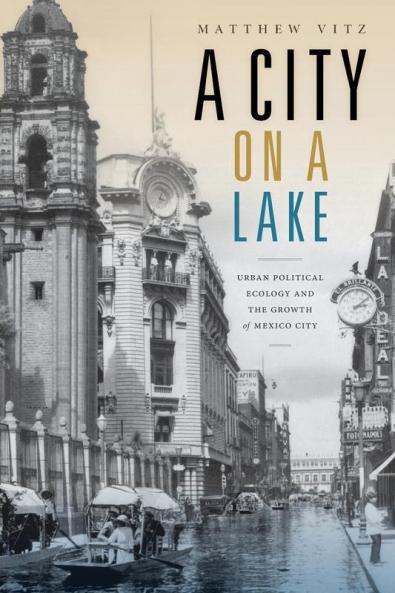
<div>In <i>A City on a Lake</i> Matthew Vitz tracks the environmental and political history of Mexico City and explains its transformation from a forested water-rich environment into a smog-infested megacity plagued by environmental problems and social inequality. Vitz shows how Mexico City's unequal urbanization and environmental decline stemmed from numerous scientific and social disputes over water policy housing forestry and sanitary engineering. From the prerevolutionary efforts to create a hygienic city supportive of capitalist growth through revolutionary demands for a more democratic distribution of resources to the mid-twentieth-century emergence of a technocratic bureaucracy that served the interests of urban elites Mexico City's environmental history helps us better understand how urban power has been exercised reproduced and challenged throughout Latin America.</div>

Piracy-free

Assured Quality

Secure Transactions

Fast Delivery

Sustainably Printed
Details
ISBN 13
9780822370406
Publication Date
-27-04-2018
Pages
-352
Weight
-477 grams
Dimensions
-152x229x18.59 mm
