

English


Paperback
₹2241
₹2887
22.38% OFF
(All inclusive*)
Delivery Options
Please enter pincode to check delivery time.
*COD & Shipping Charges may apply on certain items.
Review final details at checkout.
Looking to place a bulk order? SUBMIT DETAILS
Delivery Options
Please enter pincode to check delivery time.
*COD & Shipping Charges may apply on certain items.
Review final details at checkout.
About The Book
Description
Author
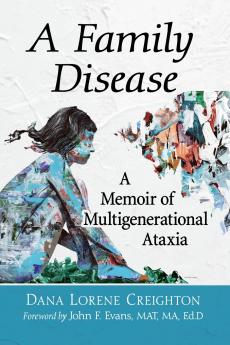
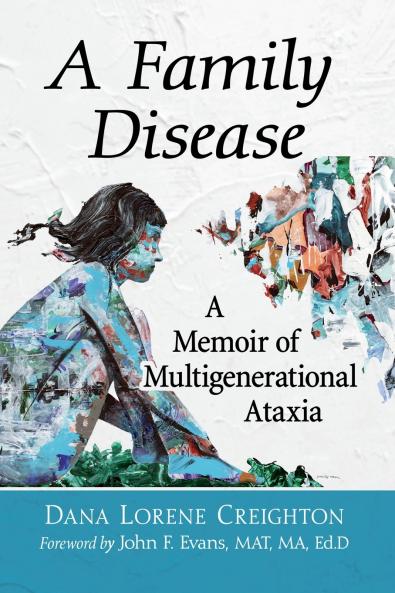
<p> Dana Creighton and her mother both were affected by the same inherited cerebellar degeneration known as ataxia--a loss of control over body movements. Both were treated by a healthcare system that failed them in different ways. Yet their experiences were disparate.</p><p> Creighton eventually found the right tools to piece together meaning in her life; her mother resisted accepting her condition in part because doctors repeatedly said nothing was wrong with her. Twenty-five years after her mother's suicide Creighton's memoir finds striking similarities and differences in their lives and traces a lineage of family trauma. </p><p> Drawing on research in neuroplasticity medical records personal correspondence and genealogy the author highlights the gap between the lived experience of a debilitating ailment and the impersonal aims of clinicians. She shows how the stories parents tell themselves about living with a genetic disorder influences how they communicate it to their children. </p>

Piracy-free

Assured Quality

Secure Transactions

Fast Delivery

Sustainably Printed
Details
ISBN 13
9781476683188
Publication Date
-25-01-2021
Pages
-204
Weight
-284 grams
Dimensions
-152x229x11.86 mm
