


This Book is Out of Stock!
English


Paperback
₹2440
₹3162
22.83% OFF
(All inclusive*)
Delivery Options
*COD & Shipping Charges may apply on certain items.
Review final details at checkout.
Looking to place a bulk order? SUBMIT DETAILS

Piracy-free

Assured Quality

Secure Transactions
About The Book
Description
Author(s)
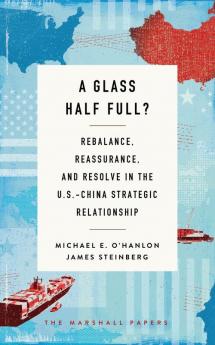
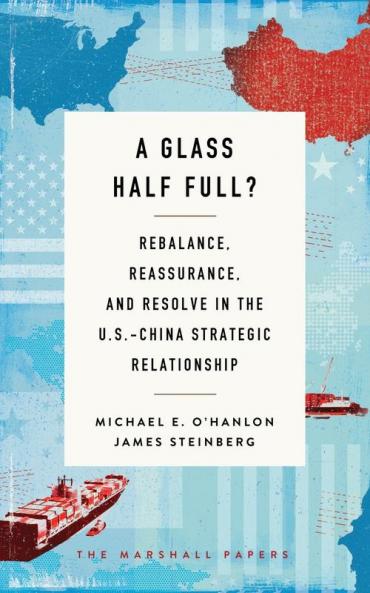
<DIV><P><B>How to stabilize the security relationship between Washington and Beijing.</B></P><P>The U.S.-China relationship has not always been smooth but since Richard Nixon's opening in the early 1970s the two countries have evolved a relationship that has been generally beneficial to both parties. Economic engagement and a diplomatic partnership together with robust trade and investment relations among other activities have meant a peaceful context for reform and China's rise helping to lift millions of Chinese out of poverty and giving the PRC incentive to work within the U.S.-led global order.</P><P>The logic of the relationship however is now open to serious debate on both sides of the Pacific. After a period of American preoccupation with the Middle East President Obama attempted a rebalancing of U.S. interests toward the Asia-Pacific region. With the Trump administration in office the U.S.-China relationship appears to be at a crossroads: does it continue to focus on constructive engagement and managing differences or prepare for a new era of rivalry and conflict?</P><P>Here following up on their 2014 book <I>Strategic Reassurance and Resolve</I> the authors provide a more balanced assessment of the current state of relations and suggest measures that could help stabilize the security relationship without minimizing the very real problems that both Beijing and Washington must address. The authors are hopeful but are also under no illusions about the significance of the challenges now posed to the bilateral relationship as well as regional order by the rise of China and the responses of America together with its allies.</P></DIV>
Piracy-free
Assured Quality
Secure Transactions
*COD & Shipping Charges may apply on certain items.
Review final details at checkout.
₹2440
₹3162
22% OFF
Paperback
Out Of Stock
All inclusive*
Details
ISBN 13
9780815731108
Publication Date
-30-05-2017
Pages
-114
Weight
-123 grams
Dimensions
-127x203x6.89 mm
