

English


Paperback
₹4817
₹5093
5.42% OFF
(All inclusive*)
Delivery Options
Please enter pincode to check delivery time.
*COD & Shipping Charges may apply on certain items.
Review final details at checkout.
Looking to place a bulk order? SUBMIT DETAILS

Piracy-free

Assured Quality

Secure Transactions
About The Book
Description
Author
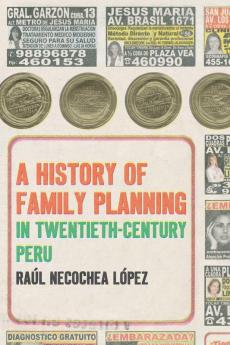
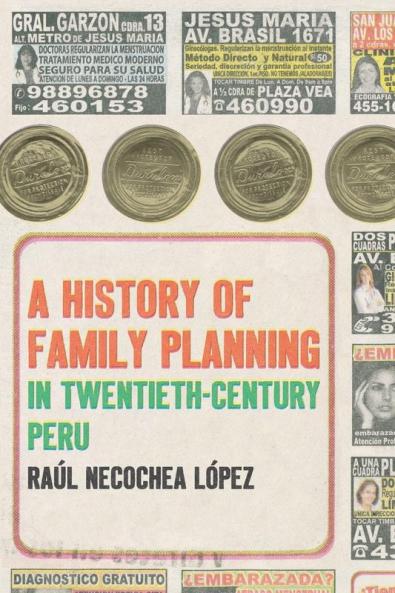
Adding to the burgeoning study of medicine and science in Latin America this important book offers a comprehensive historical perspective on the highly contentious issues of sexual and reproductive health in an important Andean nation. Ra&#xFA;l Necochea L&#xF3;pez approaches family planning as a historical phenomenon layered with medical social economic and moral implications. At stake in this complex mix were new notions of individual autonomy the future of gender relations and national prosperity.<br/><br/>The implementation of Peru&#x2019;s first family planning programs led to a rapid professionalization of fertility control. Complicating the evolution of associated medical services were the conflicting agendas of ordinary citizens power brokers from governmental and military sectors clergy and international health groups. While family planning promised a greater degree of control over individuals' intimate lives as well as opportunities for economic improvement through the effective management of birth rates the success of attempts to regulate fertility was far from assured. Today Necochea L&#xF3;pez observes although the quality of family planning resources in Peru has improved services remain far from equitably available.
Piracy-free
Assured Quality
Secure Transactions
Delivery Options
Please enter pincode to check delivery time.
*COD & Shipping Charges may apply on certain items.
Review final details at checkout.
Details
ISBN 13
9781469618081
Publication Date
-15-10-2014
Pages
-250
Weight
-361 grams
Dimensions
-156x234x14.4 mm
