



English




Paperback
₹2587
₹3362
23.05% OFF
(All inclusive*)
Delivery Options
Please enter pincode to check delivery time.
*COD & Shipping Charges may apply on certain items.
Review final details at checkout.
Looking to place a bulk order? SUBMIT DETAILS
Delivery Options
Please enter pincode to check delivery time.
*COD & Shipping Charges may apply on certain items.
Review final details at checkout.
About The Book
Description
Author
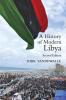
Dirk Vandewalle is one of only a handful of scholars who have made frequent visits to Libya over the last four decades. His formidable knowledge of the region is encapsulated in his history of Libya which was first published in 2006. The history traces Libya back to the 1900s with a portrait of Libya''s desert terrain its peoples and the personalities that shaped it development. It then examines the harrowing years of the Italian occupation in the early twentieth century through the Sanusi monarchy and thereafter to the revolution of 1969 and the accession of Qadhafi. The following chapters analyse the economics and politics of Qadhafi''s revolution offering insights into the man and his ideology as reflected in his Green Book. Now in 2011 as Qadhafi fights for his political life in a savage war against his rebel countrymen the time is ripe for an updated edition of the history which will cover the years from 2003 to the present. This was the period when Libya finally came in from the cold after years of political and economic isolation. The agreement to give up the weapons of mass destruction program paved the way for improved relations with the west. By this time though Qadhafi had lost the support of his people and despite attempts to liberalize the economy real structural reform proved impossible. This as Vandewalle contends in the foreward to the new edition coupled with tribal rivalries regional division and a general lack of unity paved the way for revolution and civil war. In an epilogue the author reflects upon Qadhafi''s premiership the Green Book''s stateless society and the legacy that he will leave behind him--

Piracy-free

Assured Quality

Secure Transactions

Fast Delivery

Sustainably Printed
Details
ISBN 13
9781107615748
Publication Date
-11-01-2020
Pages
-294
Weight
-401 grams
Dimensions
-152x229x15.66 mm
