

English


Paperback
₹5358
(All inclusive*)
Delivery Options
Please enter pincode to check delivery time.
*COD & Shipping Charges may apply on certain items.
Review final details at checkout.
Looking to place a bulk order? SUBMIT DETAILS
Delivery Options
Please enter pincode to check delivery time.
*COD & Shipping Charges may apply on certain items.
Review final details at checkout.
About The Book
Description
Author
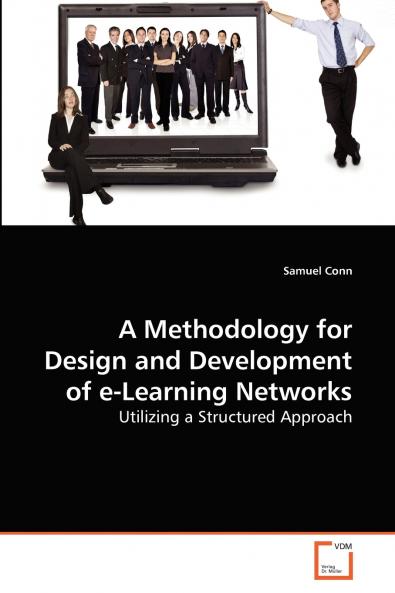
E-learning networks are used by academic institutions to support synchronous and asynchronous delivery of online courses and programs. An e-learning network supports a wide range of applications and services and facilitates access to diverse e-learning implementations including virtual laboratory (V-lab) environments knowledge repositories storage area networks (SANs) and content delivery networks (CDNs) as well as metropolitan regional and international research and education configurations. A systems development life cycle (SDLC) methodology enables academic institutions to design and develop e-learning networks that meet educational goals and objectives and provide access to current and next-generation research initiatives. In this book the author applied the SDLC methodology for design and development of an e-learning network based on findings of a chronological case study. The outcomes of this investigation demonstrate the role of the SDLC methodology as an enabler of design development and deployment of an e-learning network capable of meeting current and projected institutional goals and objectives.

Piracy-free

Assured Quality

Secure Transactions

Fast Delivery

Sustainably Printed
Details
ISBN 13
9783639272826
Publication Date
-04-07-2010
Pages
-112
Weight
-163 grams
Dimensions
-150x220x6.35 mm
