

English


₹2048
₹2401
14.7% OFF
(All inclusive*)
Paperback
Delivery Options
Please enter pincode to check delivery time.
*COD & Shipping Charges may apply on certain items.
Review final details at checkout.
Looking to place a bulk order? SUBMIT DETAILS
Delivery Options
Please enter pincode to check delivery time.
*COD & Shipping Charges may apply on certain items.
Review final details at checkout.
About The Book
Description
Author
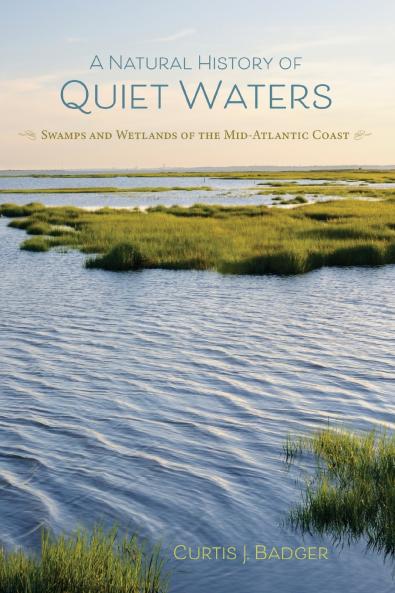
<p><span style=color: rgba(65 64 66 1)>Although swamps today are recognized as one of the richest and most prolific natural systems on Earth they have long held a mysterious and tenuous place in America's history and culture. Ernest Hemingway equated them with madness and death in Big Two-hearted River. We have images of Humphrey Bogart covered with leeches while slogging through a swamp in the film&nbsp;</span><em style=color: rgba(65 64 66 1)>The African Queen</em><span style=color: rgba(65 64 66 1)>. In our culture swamps have been associated with mystery and evil and we spent generations draining filling and otherwise destroying them. Indeed in the four centuries since the European colonists arrived we have lost more than half of the forested wetlands that were native to America.</span></p><p><span style=color: rgba(65 64 66 1)>Swamps have until now received little attention despite recent efforts to protect them. With&nbsp;</span><em style=color: rgba(65 64 66 1)>A Natural History of Quiet Waters: Swamps and Wetlands of the Mid-Atlantic Coast</em><span style=color: rgba(65 64 66 1)> Curtis Badger takes us on a personalized trip to the swamp providing an insightful look at the nature of these special places and arguing persuasively that these natural systems should be protected not destroyed.</span></p><p><span style=color: rgba(65 64 66 1)>Using such locations as the Pocomoke River and the Great Dismal Swamp as exemplars of swamps in general Badger examines the natural history of wetlands and also relates the role they have played in the history and culture of the mid-Atlantic coast. A great iron furnace and its surrounding village once stood in a cypress swamp along Nassawango Creek in Maryland. The Great Dismal was a safe haven for runaway slaves and it has been the source of many ghostly tales and legends.</span></p><p><span style=color: rgba(65 64 66 1)>Although swamps have for centuries been cast in a negative light they are wonderfully productive places a refuge for migrating songbirds insects fish animals and rare plants. Swamps and wetlands provide us with clean water they protect uplands from flooding and their waters serve as a spawning ground for valuable fish and shellfish. And Badger writes they provide us with an island of forested wilderness a place where one can launch a canoe and temporarily escape the irritations of the modern world.</span></p><p><span style=color: rgba(65 64 66 1)>Notwithstanding the government's goal of no net loss of wetlands swamps are still being drained filled and paved over each year. With this book Badger invites us to appreciate these special places and the natural communities they support.</span></p>

Piracy-free

Assured Quality

Secure Transactions

Fast Delivery

Sustainably Printed
Details
ISBN 13
9780813953656
Publication Date
-20-08-2025
Pages
-156
Weight
-187 grams
Dimensions
-140x210x9.18 mm
