




by
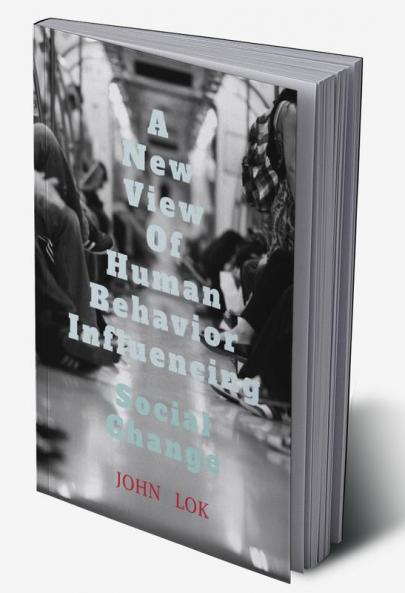
JOHN LOK
English







Paperback
₹1761
₹1900
7.32% OFF
(All inclusive*)
Delivery Options
Please enter pincode to check delivery time.
*COD & Shipping Charges may apply on certain items.
Review final details at checkout.
Looking to place a bulk order? SUBMIT DETAILS

Piracy-free

Assured Quality

Secure Transactions
About The Book
Description
Author
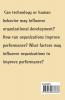
<p>The study of human behavior as a catalyst for economic transformation is a central theme in both classical economics and modern behavioral science. Historically economic development has been viewed as a progression through distinct stages-from agrarian societies to manufacturing-based economies and finally to the service and technology-driven sectors that define the contemporary era.[</p><p>This transition is not merely a result of technological innovation but is deeply rooted in the psychological and behavioral shifts of the human population which dictate how resources are allocated how risks are perceived and how value is created within a society.</p><p>When societies transition from one economic epoch to another the underlying behavioral drivers-such as the propensity for innovation the tolerance for uncertainty and the collective investment in human capital-undergo significant shifts. For instance the move toward a technology-service economy requires a workforce that prioritizes abstract reasoning lifelong learning and collaborative problem-solving over the physical endurance and localized knowledge required in agrarian or early industrial settings.</p>
Piracy-free
Assured Quality
Secure Transactions
Delivery Options
Please enter pincode to check delivery time.
*COD & Shipping Charges may apply on certain items.
Review final details at checkout.
Details
ISBN 13
9798889866886
Publication Date
-01-03-2023
Pages
-488
Weight
-656 grams
Dimensions
-152.4x228.6x26.77 mm
