

English


₹2297
(All inclusive*)
Paperback
Delivery Options
Please enter pincode to check delivery time.
*COD & Shipping Charges may apply on certain items.
Review final details at checkout.
Looking to place a bulk order? SUBMIT DETAILS
Delivery Options
Please enter pincode to check delivery time.
*COD & Shipping Charges may apply on certain items.
Review final details at checkout.
About The Book
Description
Author(s)
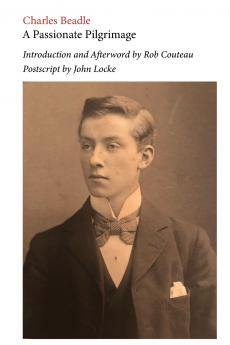
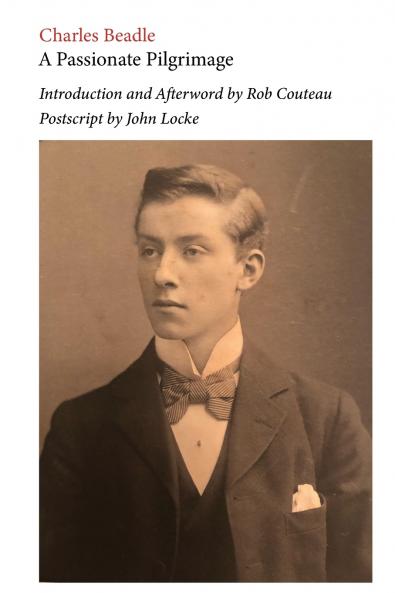
<p>In 1915 Charles Beadle had the honor of creating a banned literary novel A Passionate Pilgrimage one of ten books blacklisted between 1914 and 1916 by Britain's Circulating Libraries Association. By today's standards there's nothing lewd graphic or obscene in this largely autobiographical confession. But for the Britain of 1915 Beadle's carefree portrayal of casual sensual encounters between an unmarried protagonist (Jim) and various members of the opposite sex was a literary taboo - especially since it doesn't lead to moral retribution. Instead of suffering a fateful nemesis Jim is focused on how to express his natural instincts without being waylaid by hypocritical doublethink. He also holds unconventional views regarding marriage religion and the forging of a personal life philosophy. Bucking the collective morality he even empathizes with the plight of sex workers whom he regards as victims deprived of a better life simply because of a bad roll of the dice. The author's sympathetic portrayal of Jim's romantic relationship with a dark-skinned African native whom he regards as a more worthwhile companion than her proper Victorian counterparts must have been a difficult pill for the contemporary puritans to swallow. Such notions flew in the face of the Genteel Tradition of Anglo-Saxon literature: a convention of cautious Victorianism that was about to crumble under fledgling but mounting attacks by courageous authors such as Theodore Dreiser (another censored innovator with whom Beadle was personally acquainted) who sought to explore the unspoken realities of contemporary life. The upcoming decade of the Twenties would mark a full-frontal assault by the literary giants of the avant-garde; thus A Passionate Pilgrimage appears at the very cusp of this creative revolution. Drawing directly from personal experience Beadle affords us a rare glimpse into the underbelly of Victorian society breaking through the mind-forg'd manacles of what was then considered an acceptable or tasteful tale and exploring points of view that only an anti-Victorian story might dare encompass. With the Obelisk Press publication of his seventh novel Dark Refuge (1938) he produced an even more provocative chronicle - and one that was also banned in the Anglo-Saxon world due to its brazen portrayal of the Parisian demimonde of the interwar years. Therefore both of these censored books portray the shifting mores of the times and encompass a major trajectory in the author's life. Newly revised with over 200 annotations.</p>

Piracy-free

Assured Quality

Secure Transactions

Fast Delivery

Sustainably Printed
Details
ISBN 13
9781963363302
Publication Date
-24-12-2024
Pages
-508
Weight
-681 grams
Dimensions
-152x229x25.94 mm
