

English


Paperback
₹3576
₹3700
3.35% OFF
(All inclusive*)
Delivery Options
Please enter pincode to check delivery time.
*COD & Shipping Charges may apply on certain items.
Review final details at checkout.
Looking to place a bulk order? SUBMIT DETAILS
Delivery Options
Please enter pincode to check delivery time.
*COD & Shipping Charges may apply on certain items.
Review final details at checkout.
About The Book
Description
Author
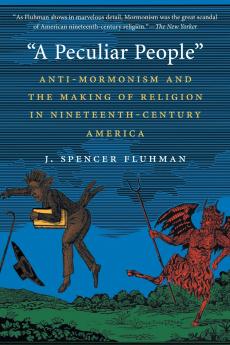
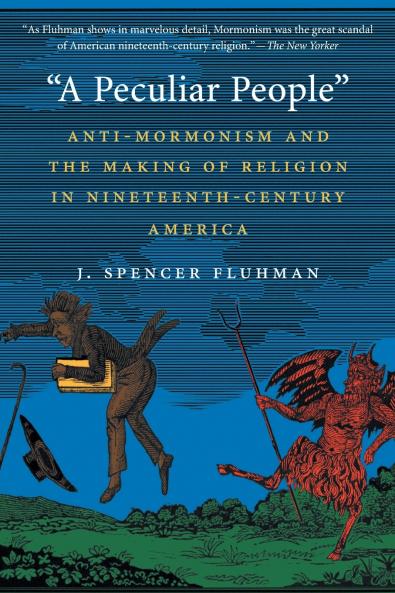
Though the U.S. Constitution guarantees the free exercise of religion it does not specify what counts as a religion. From its founding in the 1830s Mormonism a homegrown American faith drew thousands of converts but far more critics. In <i>&#x201C;A Peculiar People&#x201D;</i> J. Spencer Fluhman offers a comprehensive history of anti-Mormon thought and the associated passionate debates about religious authenticity in nineteenth-century America. He argues that understanding anti-Mormonism provides critical insight into the American psyche because Mormonism became a potent symbol around which ideas about religion and the state took shape.<br/>Fluhman documents how Mormonism was defamed with attacks often aimed at polygamy and shows how the new faith supplied a social enemy for a public agitated by the popular press and wracked with social and economic instability. Taking the story to the turn of the century Fluhman demonstrates how Mormonism&#x2019;s own transformations the result of both choice and outside force sapped the strength of the worst anti-Mormon vitriol triggering the acceptance of Utah into the Union in 1896 and also paving the way for the dramatic yet still grudging acceptance of Mormonism as an American religion.

Piracy-free

Assured Quality

Secure Transactions

Fast Delivery

Sustainably Printed
Details
ISBN 13
9781469618852
Publication Date
-01-08-2014
Pages
-240
Weight
-347 grams
Dimensions
-156x234x13.85 mm
