

English


₹10208
₹11869
13.99% OFF
(All inclusive*)
Paperback
Delivery Options
Please enter pincode to check delivery time.
*COD & Shipping Charges may apply on certain items.
Review final details at checkout.
Looking to place a bulk order? SUBMIT DETAILS
Delivery Options
Please enter pincode to check delivery time.
*COD & Shipping Charges may apply on certain items.
Review final details at checkout.
About The Book
Description
Author
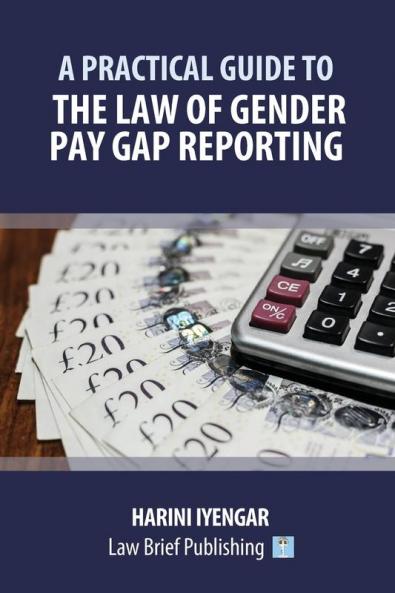
<p>How much does he get paid?&nbsp; What does he do to earn that sum?&nbsp; What do his colleagues earn?&nbsp; How did he get that job?&nbsp; What is the difference between a workplace where there is unequal pay between men and women and a workplace which has a gender pay gap?&nbsp; If an employer has a gender pay gap does it mean that the women working there are getting underpaid?&nbsp; If an employer has a gender pay gap does it mean that women are not getting equal opportunities to enter or progress within its workforce?&nbsp; How can you tell whether an organisation is reporting its gender pay gap information properly?&nbsp; What are the legal risks of not complying with the gender pay gap reporting regime?&nbsp; What are the commercial and reputational risks of not complying with the gender pay gap reporting regime?&nbsp; Why and how should an employer move beyond compliance to best practice in closing its gender pay gap?</p><p>In this book I set out to answer these and other related questions comprehensively directly and practically.&nbsp; As a barrister and working woman who has specialised for 20 years in employment and equality law who is also a company director and a political activist I have tried my best to write a book which will be useful and readable not only for qualified practising lawyers such as solicitors in private practice in-house solicitors general counsel and barristers but also for human resources directors payroll staff executive officers of companies non-executive board directors auditors workers and young people planning their careers who aspire to understand the gender pay gap inside their own organisations and across the British labour market.</p><p><em>A Practical Guide to the Law of Gender Pay Gap Reporting</em>&nbsp;covers:</p><ul> <li>The Equality Act 2010 (Gender Pay Gap Information) Regulations 2017</li> <li>The cultural moral and legal origins of equal pay for equal work</li> <li>The Equal Pay Act 1970</li> <li>The Equality Act 2010</li> <li>The role of the Equality and Human Rights Commission</li> <li>Beyond Compliance to Best Practice</li></ul><p><br /><strong>ABOUT THE AUTHOR</strong></p><p>Harini Iyengar was called to the Bar in 1999 as a seven-months-pregnant young single mother.&nbsp; She has now spent 20 years practising Employment Public and Commercial law at 11KBW Chambers and is ranked as a leading barrister in Employment and Education law in the legal directories &ldquo;Chambers &amp; Partners&rdquo; and &ldquo;Legal 500&rdquo;.&nbsp; Harini is a Governing Bencher at the Honourable Society of the Inner Temple and sits on the Steering Group of the Temple Women&rsquo;s Forum and the Bar Council Retention Panel of the Equality Committee.&nbsp; As a legal expert she gave evidence to the House of Commons Inquiry into high heels and workplace dress codes and is a regular commentator on television radio newspapers magazines and online.</p><p>Outside her professional practice Harini is an Independent Governor of London Metropolitan University.&nbsp; In 2015 she became a founding member of the Women&rsquo;s Equality Party and is now an elected National Spokesperson and Member of Policy Committee who has stood for Parliament the Greater London Assembly Hackney Mayor and two local council seats.&nbsp; Harini is the lone parent of three children.</p>

Piracy-free

Assured Quality

Secure Transactions

Fast Delivery

Sustainably Printed
Details
ISBN 13
9781911035947
Publication Date
-08-04-2019
Pages
-192
Weight
-281 grams
Dimensions
-156x234x10.35 mm
