


This Book is Out of Stock!
English




Hardback
₹7057
₹8075
12.61% OFF
(All inclusive*)
Delivery Options
*COD & Shipping Charges may apply on certain items.
Review final details at checkout.
Looking to place a bulk order? SUBMIT DETAILS

Piracy-free

Assured Quality

Secure Transactions
About The Book
Description
Author(s)
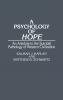
This book offers a new approach by combining the disciplines of history psychology and religion to explain the suicidal element in both Western culture and the individual and how to treat it. Ancient Greek society displays in its literature and the lives of its people an obsessive interest in suicide and death. Kaplan and Schwartz have explored the psychodynamic roots of this problem--in particular the tragic confusion of the Greek heroic impulse and its commitment to unsatisfactory choices that are destructively rigid and harsh. The ancient Hebraic writings speak little of suicide and approach reality and freedom in vastly different terms: God is an involved parent caring for his children. Therefore heroism in the Greek sense is not needed nor is the individual compelled to choose between impossible alternatives each of the first three sections the authors discuss the issues of suicide from a comparative framework whether in thought or myth then the suicide-inducing effects of the Graeco-Roman world and finally the suicide-preventing effects of the Hebrew world. The final section draws on this material to present a suicide prevention therapy. Historical in scope the book offers a new psychological model linking culture to the suicidal personality and suggests an antidote especially with regard to the treatment of the suicidal individual.
Piracy-free
Assured Quality
Secure Transactions
*COD & Shipping Charges may apply on certain items.
Review final details at checkout.
₹7057
₹8075
12% OFF
Hardback
Out Of Stock
All inclusive*
Details
ISBN 13
9780275943790
Publication Date
-30-03-1993
Pages
-206
Weight
-374 grams
Dimensions
-152x229x15.88 mm
