

English


Hardback
₹12153
₹14611
16.82% OFF
(All inclusive*)
Delivery Options
Please enter pincode to check delivery time.
*COD & Shipping Charges may apply on certain items.
Review final details at checkout.
Looking to place a bulk order? SUBMIT DETAILS
Delivery Options
Please enter pincode to check delivery time.
*COD & Shipping Charges may apply on certain items.
Review final details at checkout.
About The Book
Description
Author(s)
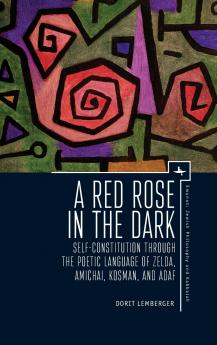
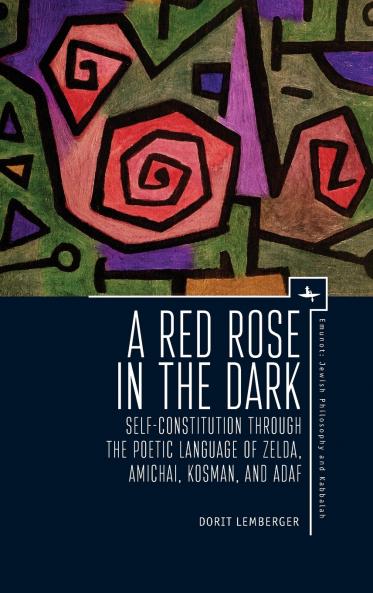
How can we characterize the uniqueness of poetic language? How can we describe the evasive enchantment of the paradox that is created by both universal and autobiographical expression? How does ordinary language function aesthetically while motivating the reader to acknowledge himself and to reveal how far his thinking belongs to the present the future or the past? <p> Ludwig Wittgenstein the central founder of the linguistic turn and the inspiration of countless works inspires the search of this book for various linguistic functions: Dialogic aesthetic and mystical. The search investigates four Modern Hebrew poets: Zelda Yehuda Amichai Admiel Kosman and Shimon Adaf based on their family resemblance of intertextuality in their language-games. The book resists social-cultural categorizations as religious vs. secular poetry or Mizrahi vs. Ashkenazi literature and instead focuses on Wittgenstein's aspects suggesting universal interpretation of these corpuses.

Piracy-free

Assured Quality

Secure Transactions

Fast Delivery

Sustainably Printed
Details
ISBN 13
9781618114938
Publication Date
-30-06-2016
Pages
-422
Weight
-689 grams
Dimensions
-156x234x23.81 mm
