

English


Paperback
₹1918
₹2375
19.24% OFF
(All inclusive*)
Delivery Options
Please enter pincode to check delivery time.
*COD & Shipping Charges may apply on certain items.
Review final details at checkout.
Looking to place a bulk order? SUBMIT DETAILS
Delivery Options
Please enter pincode to check delivery time.
*COD & Shipping Charges may apply on certain items.
Review final details at checkout.
About The Book
Description
Author
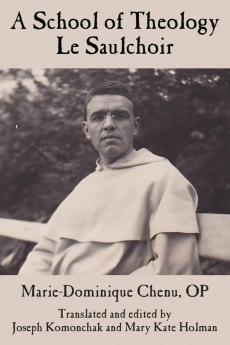
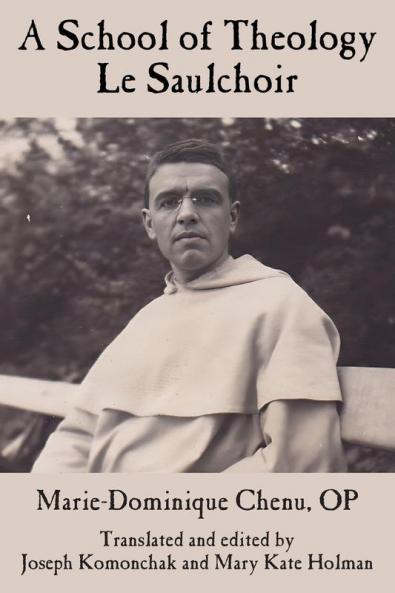
This little book published in 1937 was one of the most controversial works of Catholic theology in the first half of the 20th century. It describes how theology was practiced at Le Saulchoir the house of studies of the French Dominican province then in exile in Belgium. There a distinct school of theology had emerged one that favored critical historical investigation of the Christian tradition including the thought of St. Thomas Aquinas. More interested in locating Aquinas in his own time and place than in drawing speculative conclusions from his works it differed in orientation and methods from most other schools of theology at the time including other houses of the Dominican Order. The book's author Marie-Dominique Chenu (1895-1990) began teaching at Le Saulchoir in 1920 and was an enthusiastic proponent of its distinctive spirit and method. In 1932 he was promoted to master of theology and made regent of studies. He urged theologians to expand the horizons of their curiosity to include the achievements and challenges of their own day. In 1936 in a talk for the feast of St. Thomas Chenu delivered an enthusiastic address about the work of Le Saulchoir and was encouraged to turn it into this book. Not content with describing his school's orientation Chenu was also critical of how theology was being pursued elsewhere even by Dominicans even in Rome. Roman Dominicans were displeased with the book and it was quickly taken out of circulation. In 1942 it was placed on the Index of Forbidden Books and Chenu was removed from his teaching post and banished from Le Saulchoir. Despite its brevity its limited initial audience and its condemnation this little book is historically significant. It represents a major trajectory of modern Catholic theology as it faced the turn to the subject in philosophy and the rise of historical consciousness in theology. Many of the ideas for which it was initially condemned were embraced at Vatican II and have since influenced the methods of contemporary Catholic theology. This translation includes a critical introduction situating the book in its historical context and provides footnotes to assist readers in identifying persons events and ideas.

Piracy-free

Assured Quality

Secure Transactions

Fast Delivery

Sustainably Printed
Details
ISBN 13
9781922737922
Publication Date
-20-06-2023
Pages
-168
Weight
-237 grams
Dimensions
-152x229x9.86 mm
