

by
Boris
English


Paperback
₹2816
₹3131
10.06% OFF
(All inclusive*)
Delivery Options
Please enter pincode to check delivery time.
*COD & Shipping Charges may apply on certain items.
Review final details at checkout.
Looking to place a bulk order? SUBMIT DETAILS
Delivery Options
Please enter pincode to check delivery time.
*COD & Shipping Charges may apply on certain items.
Review final details at checkout.
About The Book
Description
Author
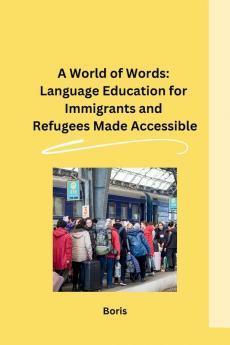
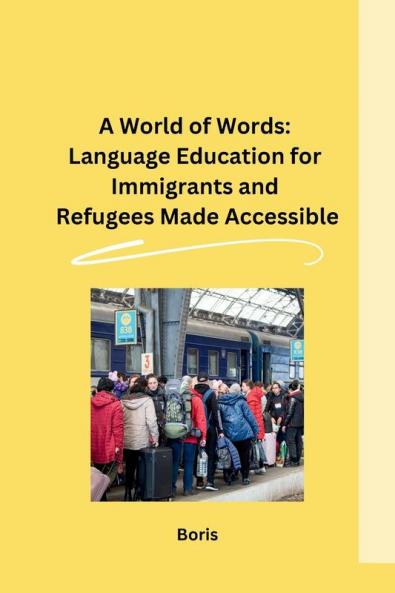
<p>Language education plays a crucial role in the lives of immigrants and refugees as it is the key to communication integration and empowerment in their new communities. In this subchapter we will delve into the significance of language education highlighting how it benefits individuals and the broader society. </p><p>For immigrants and refugees language education is the bridge that connects them to their new surroundings. It equips them with the necessary skills to communicate effectively express their needs and engage in various aspects of daily life. Without language proficiency individuals may face difficulties in finding employment accessing healthcare or participating in civic activities. Language education provides them with the tools to navigate these challenges and foster a sense of belonging in their adopted homeland.</p><p>Language education is not only about language acquisition; it also promotes cultural understanding and appreciation. By learning the language of their host country immigrants and refugees gain insights into the customs traditions and values that shape the society around them. This knowledge fosters empathy and cultural competence enabling them to form meaningful connections with their neighbors and build bridges across diverse communities. Language education thus acts as a catalyst for social cohesion and integration.</p><p>Furthermore language education empowers individuals to fully participate in their communities and pursue their goals. Proficiency in the local language opens doors to educational opportunities career advancements and economic mobility. It enhances their self-confidence and enables them to advocate for their rights and interests. Language education equips immigrants and refugees with the skills necessary to navigate the complexities of their new environment and actively contribute to the development of their communities.</p><p>From a broader perspective language education is beneficial to the host society as well. It promotes social harmony by breaking down communication barriers and facilitating intercultural dialogue. It fosters a sense of inclusion and equal opportunities for all contributing to the overall well-being and prosperity of the community. Language education also enriches the cultural landscape as immigrants and refugees bring their languages traditions and perspectives enhancing diversity and intercultural exchange.&nbsp;</p>

Piracy-free

Assured Quality

Secure Transactions

Fast Delivery

Sustainably Printed
Details
ISBN 13
9798869045232
Publication Date
-01-12-2023
Pages
-52
Weight
-85 grams
Dimensions
-152x229x2.74 mm
