

English


Paperback
₹2396
(All inclusive*)
Delivery Options
Please enter pincode to check delivery time.
*COD & Shipping Charges may apply on certain items.
Review final details at checkout.
Looking to place a bulk order? SUBMIT DETAILS
Delivery Options
Please enter pincode to check delivery time.
*COD & Shipping Charges may apply on certain items.
Review final details at checkout.
About The Book
Description
Author
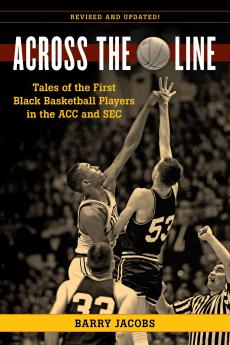
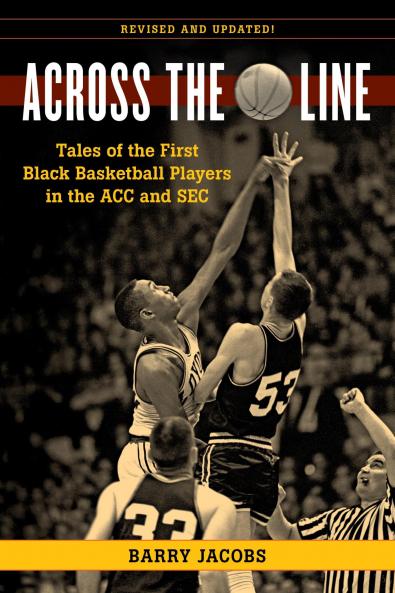
<P>In the 1960s college sports required more than athletic prowess from its African American players. For many pioneering basketball players on 18 teams in the Atlantic and Southeastern conference playing ball meant braving sometimes menacing crowds during the tumultuous era of civil rights. Perry Wallace feared he would be shot when he first stepped onto a court in his Vanderbilt uniform. During one road game Georgia&#39;s Ronnie Hogue fended off a hostile crowd with a chair. Craig Mobley had to flee the Clemson campus along with other black students. C.B. Claiborne couldn&#39;t attend the Duke team banquet when it was held at an all-white country club. Wendell Hudson&#39;s mother cried with heartache when her son decided to play at the University of Alabama and Al Heartley locked himself in a campus dorm at North Carolina State for safety the night Martin Luther King Jr. was assassinated. Grounded in the civil rights struggles on campuses throughout the south the voices of players coaches opponents and fans reveal the long-neglected story of race sports and social history. </P><P>Barry Jacobs has covered college basketball as well as news and other sports since 1976 for numerous publications among them the <I>New York Times Washington Post GQ People Oceans </I>the<I> Saturday Evening Post </I>and the<I> Sporting News</I>. He is the author of four books including <I>Coach K&#39;s Little Blue Book The World According to Dean</I> and<I> Three Paths to Glory</I>. For 14 years he wrote the<I> Fan&rsquo;s Guide to ACC Basketball</I>. He also served as an elected county commissioner for 20 years and supervises Moorefields an historic site near Hillsborough NC.</P><P></P>

Piracy-free

Assured Quality

Secure Transactions

Fast Delivery

Sustainably Printed
Details
ISBN 13
9781493069217
Publication Date
-01-11-2022
Pages
-456
Weight
-613 grams
Dimensions
-152x229x23.41 mm
