

English


₹12124
₹15993
24.19% OFF
(All inclusive*)
Hardback
Delivery Options
Please enter pincode to check delivery time.
*COD & Shipping Charges may apply on certain items.
Review final details at checkout.
Looking to place a bulk order? SUBMIT DETAILS
Delivery Options
Please enter pincode to check delivery time.
*COD & Shipping Charges may apply on certain items.
Review final details at checkout.
About The Book
Description
Author(s)
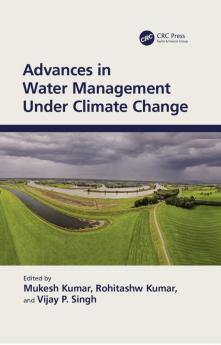
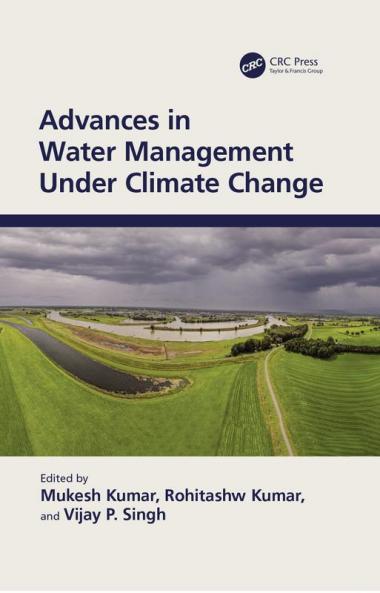
<p>Due to increasing population decreased cultivable land and mounting scarcity of water it is essential to optimize the use of available resources. Climate change is occurring across the world but its effect may be local or region-specific including localized watershed management. In order to minimize these effects governments and environmental agencies encourage the adoption of climate-smart agricultural technologies which involve implementing plans programs and projects to sustain and enhance watersheds. Natural ecosystems in their altered states have always been relied upon to support the continuity of agricultural production and ecosystem services such as flood and erosion control mediation of water quality stream flow regulation microclimate regulation and biodiversity in its various forms. According to the Food and Agriculture Organization of the United Nations the adoption of these sustainable water management practices has resulted in savings of water and energy as well as a reduction of carbon emissions decreased erosion increased organic matter content and biotic activity in soils increased crop water availability and thus resilience to drought improved recharge of aquifers and reduced impact of the variability in weather due to climate change. <i>Advances in Water Management Under Climate Change </i>examines all of these issues and provides best practices for sustainability.</p><p>Features:</p><ul> <li>Presents the latest research in hydrology hydraulics water resources engineering and agricultural best practices</li> <li>Examines water management practices to best address and ideally mitigate climate change</li> <li>Explains the nexus of agriculture micro irrigation AI applications in water management and the impact of climate change on water resources</li> <li>Includes practical examples to present practical insights on water management for climate change mitigation.</li> </ul>

Piracy-free

Assured Quality

Secure Transactions

Fast Delivery

Sustainably Printed
Details
ISBN 13
9781032398518
Publication Date
-30-11-2023
Pages
-372
Weight
-620 grams
Dimensions
-156x234x21.11 mm
