


English



Hardback
₹11507
₹14976
23.16% OFF
(All inclusive*)
Delivery Options
Please enter pincode to check delivery time.
*COD & Shipping Charges may apply on certain items.
Review final details at checkout.
Looking to place a bulk order? SUBMIT DETAILS

Piracy-free

Assured Quality

Secure Transactions
About The Book
Description
Author
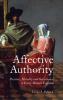
<b>Throws new light on the history of emotions as well as on cultural norms and elite governance in early modern English society.</b><br><br><br>This book investigates the intimate connection between emotion and morality in the landed ranks in England from 1580 to 1700 reintegrating the artificially separated spheres of emotions and ethics. It argues that long before the modern eighteenth century emotions lay at the core of early modern ethics: virtues and passions were fused and affect underpinned authority. Passions affections and ethics were intertwined and must be understood together: feelings enabled and constituted ethical conduct and were often mandated obligations while cultural norms were based on affective concepts. Through a detailed analysis of four key affective values - love gratitude repentance and obedience - the book throws new light on the history of emotions as well as on cultural norms and elite governance in early modern English society. The book merges social cultural and intellectual history. It explores how ideals and concepts were practiced in daily life emphasizes the importance of the domestic familial world for the understanding and exercise of public authority and governance and insists on the centrality of the passions and affections to early modern morality. It contributes to the history of emotions by reconnecting affect and ethics advances the history of English society by showing how authority was based on affect thus demonstrating the relevance of emotion to larger historical issues.
Piracy-free
Assured Quality
Secure Transactions
Delivery Options
Please enter pincode to check delivery time.
*COD & Shipping Charges may apply on certain items.
Review final details at checkout.
Details
ISBN 13
9781837652594
Publication Date
-10-06-2025
Pages
-370
Weight
-617 grams
Dimensions
-156x234x22.23 mm
