


English



Hardback
₹11148
₹14456
22.88% OFF
(All inclusive*)
Delivery Options
Please enter pincode to check delivery time.
*COD & Shipping Charges may apply on certain items.
Review final details at checkout.
Looking to place a bulk order? SUBMIT DETAILS
Delivery Options
Please enter pincode to check delivery time.
*COD & Shipping Charges may apply on certain items.
Review final details at checkout.
About The Book
Description
Author
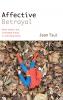
<p><b>Seeks to introduce an affective turn to the study of China's political modernization process.</b></p><p><i>Affective Betrayal</i> uses affect as an analytical category to explicate the fragility and fragmentation of Chinese political modernity. In so doing the book uncovers some of the unresolved moral and philosophical obstacles China encountered in the past as well as the cultural predicament the country faces at present.</p><p>At the turn of the twentieth century China's leading reformer Liang Qichao (1873-1929) presented modern political knowledge in musical and visual representational formats that were designed to stimulate readers' bodily senses. By expanding the reception of textual knowledge from reading to listening and visualizing experiences Liang generated an epistemic shift and perhaps an all-inclusive internal intellectual philosophical and moral transition alongside China's modern political reform. By tracing the marginalized academic and philosophical positions Liang sought to restore in China's incipient democratic movement <i>Affective Betrayal</i> examines how his attempts to conjoin Confucian morality and liberal democracy expose hidden anxieties as well as inherent contradictions between these two systems of thought. These conflicts besides disrupting the stability of China's burgeoning modern political order explain why the import of modern concepts led to China's continued political impasse rather than rationality and progress after the 1911 revolution.</p>

Piracy-free

Assured Quality

Secure Transactions

Fast Delivery

Sustainably Printed
Details
ISBN 13
9781438498782
Publication Date
-01-09-2024
Pages
-344
Weight
-555 grams
Dimensions
-152x229x23.81 mm
