



This Book is Out of Stock!
English


Hardback
₹5900
₹6275
5.98% OFF
(All inclusive*)
Delivery Options
*COD & Shipping Charges may apply on certain items.
Review final details at checkout.
Looking to place a bulk order? SUBMIT DETAILS

Piracy-free

Assured Quality

Secure Transactions
About The Book
Description
Author
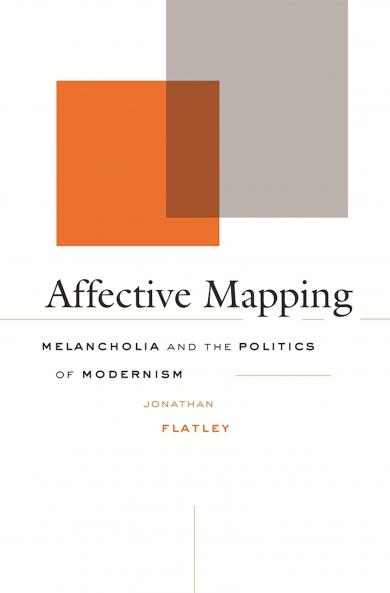
<p>The surprising claim of this book is that dwelling on loss is not necessarily depressing. Instead Jonathan Flatley argues embracing melancholy can be a road back to contact with others and can lead people to productively remap their relationship to the world around them. Flatley demonstrates that a seemingly disparate set of modernist writers and thinkers showed how aesthetic activity can give us the means to comprehend and change our relation to loss. <p/>The texts at the center of Flatley's analysis--Henry James's <i>Turn of the Screw</i> W. E. B. Du Bois's <i>The Souls of Black Folk</i> and Andrei Platonov's <i>Chevengur</i>--share with Freud an interest in understanding the depressing effects of difficult losses and with Walter Benjamin the hope that loss itself could become a means of connection and the basis for social transformation. For Du Bois Platonov and James the focus on melancholy illuminates both the historical origins of subjective emotional life and a heretofore unarticulated community of melancholics. The affective maps they produce make possible the conversion of a depressive melancholia into a way to be interested in the world.</p>
Piracy-free
Assured Quality
Secure Transactions
*COD & Shipping Charges may apply on certain items.
Review final details at checkout.
₹5900
₹6275
5% OFF
Hardback
Out Of Stock
All inclusive*
Details
ISBN 13
9780674030787
Publication Date
-28-11-2008
Pages
-272
Weight
-375 grams
Dimensions
-157.5x236.2x17.91 mm
