

English


Paperback
₹2034
₹2417
15.85% OFF
(All inclusive*)
Delivery Options
Please enter pincode to check delivery time.
*COD & Shipping Charges may apply on certain items.
Review final details at checkout.
Looking to place a bulk order? SUBMIT DETAILS
Delivery Options
Please enter pincode to check delivery time.
*COD & Shipping Charges may apply on certain items.
Review final details at checkout.
About The Book
Description
Author
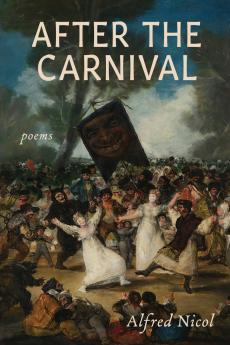
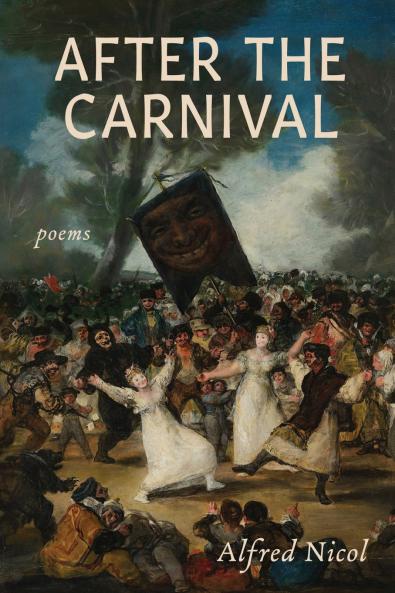
<p>Sometimes you <em>can</em> judge a book by its cover. Goya's painting of a traditional Spanish ceremony at the end of carnival resonates with this new collection from Alfred Nicol. The revelers overfull and beginning to turn are going bad their merriment histrionic the grin on the banner conveying their malevolence. The demons may or may not be costumed. Everyone's eyes are black and empty.&nbsp;</p><p></p><p>In <em>After the Carnival</em> Nicol is unafraid to confront the mysterious painful&nbsp;and evil elements of human existence. The ballads end in either physical or moral catastrophe. The Man in the Middle is torn limb from limb. Tell You the Story chronicles a descent into madness. Even in the lighter poems readers must be alert to the shadows: Don't think that it'll be a lark / because you've always loved the dark.</p><p></p><p>Yet there is goodness here too the passages of faith and clarity all the brighter for being set in a wood so darkly obscure. The Path that takes you back to where you are is of first importance. Father McLaughlin's three words are a North Star. Giddy with relief a married couple laughs while driving home from the doctor's office. And in the night the thin wafer of a gibbous moon sends down a continuum of metaphor redeeming the imperfection of the world with its wholly insufficient bread.</p><p></p><p></p><p>A giant of contemporary metrical poetry Alfred Nicol is also a virtuoso of irony. After paying good money for a seaside vacation tourists grow restless and clamor to help a fishing crew. The best-dressed man on a bus is a former death-row inmate skipping parole. If God is dead everything is rendered unto Caesar. A bear knows every secret but cannot speak. The irony is never played for laughs though there are plenty and at least as many tears. An early poem announces a dichotomy between what's welcoming and what's sublime and indeed the ironic turns throughout <em>After the Carnival</em> have a sublime core. I was bowled over by the emotional power of these poems by how much they gave voice to what I had always known but had not necessarily acknowledged about being human. Bonus points if you notice the subtle literary references peppering this musical energizing collection!</p><p>&nbsp;<strong>-Anton Yakovlev author of <em>One Night We Will No Longer Bear the Ocean</em></strong></p><p></p><p></p><p><strong>Author Bio</strong></p><p>Alfred Nicol who worked in the printing industry for over twenty years after graduating from Dartmouth College published his first book of poems <em>Winter Light</em> in 2004. His other publications include <em>Animal Psalms Elegy for Everyone</em> and <em>Brief Accident of Light </em>a collaboration with Rhina Espaillat. Nicol's translation of <em>One Hundred Visions of War </em>by Julien Vocance has been called an essential addition to the history of modernist poetry. His poems have appeared in <em>Poetry The New England Review Dark Horse Commonweal The Formalist The Hopkins Review</em> and in many anthologies including <em>The Best American Poetry 2018</em> and <em>Contemporary Catholic Poetry.</em> His translation of the lyrics to Győzelemről énekeljen were used for the official anthem of the 52nd International Eucharistic Congress convened in 2021 by Pope Francis in Budapest. As part of the music-and-poetry ensemble The Diminished Prophets Nicol has performed <em>melopoeia </em>for over twenty years with Espaillat and classical/flamenco guitarist John Tavano. In recent years the Newburyport Chamber Music Festival has commissioned several works of poetry for its annual event. Nicol lives in Massachusetts with his wife the artist Gina DiGiovanni.</p>

Piracy-free

Assured Quality

Secure Transactions

Fast Delivery

Sustainably Printed
Details
ISBN 13
9781951319021
Publication Date
-25-03-2025
Pages
-96
Weight
-150 grams
Dimensions
-156x234x5.05 mm
