

English


₹3199
(All inclusive*)
Paperback
Delivery Options
Please enter pincode to check delivery time.
*COD & Shipping Charges may apply on certain items.
Review final details at checkout.
Looking to place a bulk order? SUBMIT DETAILS
Delivery Options
Please enter pincode to check delivery time.
*COD & Shipping Charges may apply on certain items.
Review final details at checkout.
About The Book
Description
Author(s)
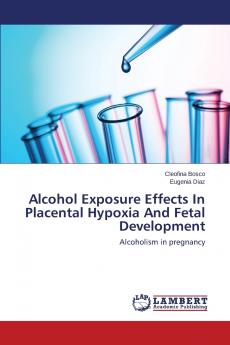
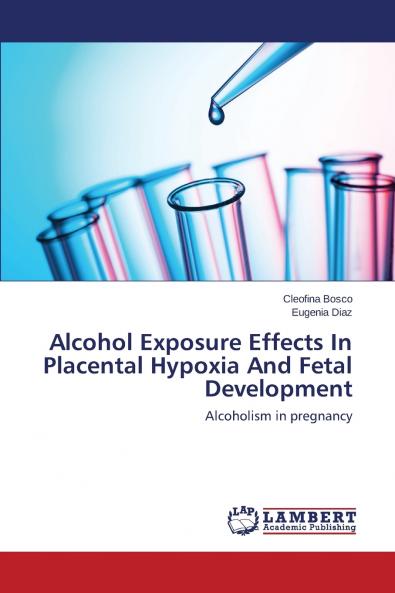
Sustained alcohol abuse by pregnant women is clearly on the rise so their effects on pregnancy outcomes are today considered important public health issues. Alcohol is one of the commonest teratogenic agents and its uncontrolled consumption by pregnant women can give rise to an irreversible condition in the child called Fetal Alcohol Spectrum Disorders (FASD). Cases that exhibit all of the following criteria: central nervous system dysfunction prenatal and postnatal growth deficiency and cranial/facial abnormalities are referred as fetal alcohol syndrome (FAS). All children of mothers who abuse alcohol consumption during pregnancy do not necessarily develop FAS/FASD. The potential source of individual variability includes differences in the pattern frequency and duration of the period of drinking differences in maternal fetal and placental metabolism of ethanol/acetaldehyde as well as genetic factors. Studies performed in animal models suggest that acetaldehyde the primary hepatic oxidative metabolite of ethanol reaches the foetus either by placental production or by placental transference which in turn could affect fetal growth and development.

Piracy-free

Assured Quality

Secure Transactions

Fast Delivery

Sustainably Printed
Details
ISBN 13
9783659573996
Publication Date
-14-07-2014
Pages
-68
Weight
-106 grams
Dimensions
-150x220x4.09 mm
