

English


Hardback
₹10263
₹13159
22.01% OFF
(All inclusive*)
Delivery Options
Please enter pincode to check delivery time.
*COD & Shipping Charges may apply on certain items.
Review final details at checkout.
Looking to place a bulk order? SUBMIT DETAILS

Piracy-free

Assured Quality

Secure Transactions
About The Book
Description
Author
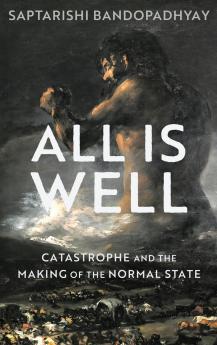
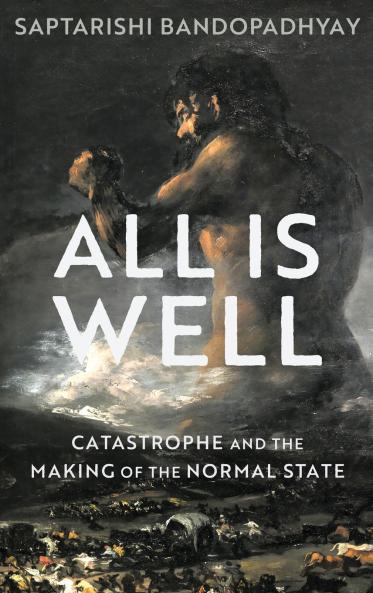
Disasters are all around us. In everyday parlance disasters are understood as exceptional occurrences that destroy human life property and resources. For centuries people have looked to political authorities for protection from disasters and for relief in the aftermath. Yet the COVID-19<br>pandemic and an endless torrent of storms floods and forest fires have shown that modern states and intergovernmental institutions frequently fail this burden. Worse world leaders routinely ignore evidence that accelerated climate change is an already-rolling planetary catastrophe. So what is a<br>disaster? Who determines when and why a disaster has occurred or ceased? And what is the relationship between such occurrences and modern states who promise to manage them? <p/>In <em>All Is Well</em> Saptarishi Bandopadhyay argues that there is no such thing as a disaster outside of rituals of legal administrative and scientific contestation through which such occurrences are morally distinguished from the rhythms of everyday life. Disasters Bandopadhyay asserts are<br>artifacts of normal rule. They result from the same mundane strategies of knowledge-making and violence by which authorities experts and lay people struggle to develop state-like power to define and defend the social order. <p/>Challenging traditional narratives <em>All Is Well</em> looks at disaster management as a historical process that produces both catastrophes and political authorities. To do so Bandopadhyay draws on three case studies: the Marseille plague of 1720 the Lisbon earthquake of 1755 and the Bengal famine of<br>1770. As far back as the eighteenth century aspiring rulers understood disasters to be occasions for testing their state-like ambitions as they swapped divine authority for the supremacy of natural rights Enlightenment ideals and colonial rule. Bandopadhyay examines these exercises in catastrophe<br>conservation and state formation and shows how the underlying beliefs and resulting insights underwrite sophisticated but deeply inequitable present-day norms and practices of global governance. He concludes that climate change and the national and international authorities designed to fight it <br>are products of three centuries of disaster management and civilizational survival depends on reckoning with this past.<br>
Piracy-free
Assured Quality
Secure Transactions
Delivery Options
Please enter pincode to check delivery time.
*COD & Shipping Charges may apply on certain items.
Review final details at checkout.
Details
ISBN 13
9780197579190
Publication Date
-01-02-2022
Pages
-322
Weight
-551 grams
Dimensions
-156x234x19.05 mm
