

English


₹5070
₹5337
5% OFF
(All inclusive*)
Paperback
Delivery Options
Please enter pincode to check delivery time.
*COD & Shipping Charges may apply on certain items.
Review final details at checkout.
Looking to place a bulk order? SUBMIT DETAILS
Delivery Options
Please enter pincode to check delivery time.
*COD & Shipping Charges may apply on certain items.
Review final details at checkout.
About The Book
Description
Author
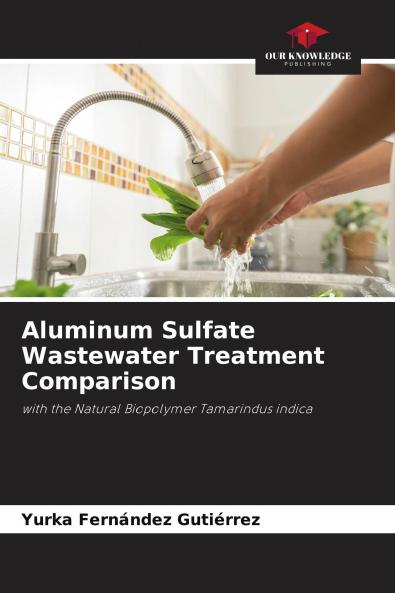
Within the primary treatment of wastewater there are two interrelated processes: coagulation and flocculation; where the aim is to reduce the turbidity load for which chemical additives called coagulants are used. The objective of this work was to determine the optimum doses and compare the turbidity removal efficiency and variation in pH level between a chemical coagulant aluminum sulfate and a biocoagulant obtained from tamarind remains. To evaluate the turbidity and pH parameters the samples were subjected to the jar test to represent the coagulation and flocculation stages. Three replicates of the concentrations used were 5 10 and 15 ml; for both treatments. The results obtained for turbidity removal were in favor of the chemical coagulant with a margin of 40% difference. As for pH variation the biocoagulant showed a tendency towards neutralization. For Tamarindus indica reflects better performance with a dose of 10 ml and for aluminum sulfate with an application of 15 ml.

Piracy-free

Assured Quality

Secure Transactions

Fast Delivery

Sustainably Printed
Details
ISBN 13
9786206070719
Publication Date
-07-06-2023
Pages
-68
Weight
-106 grams
Dimensions
-150x220x4.09 mm
