

English


Paperback
₹4437
₹4760
6.79% OFF
(All inclusive*)
Delivery Options
Please enter pincode to check delivery time.
*COD & Shipping Charges may apply on certain items.
Review final details at checkout.
Looking to place a bulk order? SUBMIT DETAILS

Piracy-free

Assured Quality

Secure Transactions
About The Book
Description
Author
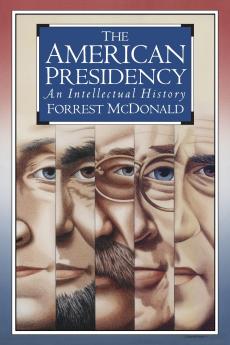
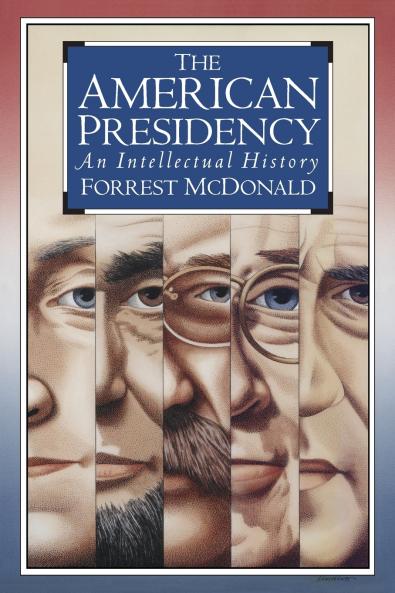
Jefferson Lecturer and Pulitzer Prize finalist Forrest McDonald is widely recognized as one of our most respected and challenging historians of the Constitution. He has been called brilliant provocative controversial passionate pugnacious and crafty in intellectual combat. Whatever the label he remains unsurpassed as a commentator on the American founding. <p/><i>Novus Ordo Seclorum</i> his best-known work was hailed as magisterial a tour-de-force the American history book of the decade the best single book on the origins of the U.S. Constitution and was featured on Bill Moyers's highly praised PBS series <i>In Search of the Constitution</i>. McDonald now applies his considerable talents to a study of another venerable institution-the American presidency. <p/>Writing at the height of his powers as an intellectual historian McDonald explores how and why the presidency has evolved into such a complex and powerful institution unlike any other in the world. Scores of republics have come into existence during the last two centuries and many have adopted constitutions similar to our own. But as McDonald persuasively shows the American presidency is unique-no other nation has a leadership position that combines the seemingly incongruous roles of ceremonial head of state and chief executive magistrate. <p/>Lacking an acceptable role model McDonald explains the founding fathers constructed their idea of the presidency from sources as diverse as the Bible Machiavelli John Locke the Ancient Greeks and Romans the laws of England and the early colonial and state government experiences. So many influences he suggests guaranteed a substantial degree of persistent ambiguity and contradiction in the office. <p/>McDonald chronicles the presidency's creation implementation and evolution and explains why it's still working today despite its many perceived afflictions. Along the way he provides trenchant commentary upon the Constitutional Convention ratification debates presidencies of Washington and Jefferson presidential administration and leadership presidential-congressional conflicts the president as chief architect of foreign policy and the president as myth and symbol. He also analyzes the enormous gap between what we've come to expect of presidents and what they can reasonably hope to accomplish. <p/>Ambitious comprehensive and engaging this is the best single-volume study of an institution that has become troubled and somewhat troublesome yet in McDonald's words has been responsible for less harm and more good than perhaps any other secular institution in history. It will make a fine and necessary companion for understanding the presidency as it moves into its third century. <p/>
Piracy-free
Assured Quality
Secure Transactions
Delivery Options
Please enter pincode to check delivery time.
*COD & Shipping Charges may apply on certain items.
Review final details at checkout.
Details
ISBN 13
9780700607495
Publication Date
-01-02-1994
Pages
-526
Weight
-705 grams
Dimensions
-152x229x26.9 mm
