


This Book is Out of Stock!
English


Hardback
₹19108
(All inclusive*)
Delivery Options
*COD & Shipping Charges may apply on certain items.
Review final details at checkout.
Looking to place a bulk order? SUBMIT DETAILS
*COD & Shipping Charges may apply on certain items.
Review final details at checkout.
₹19108
Out Of Stock
All inclusive*
About The Book
Description
Author
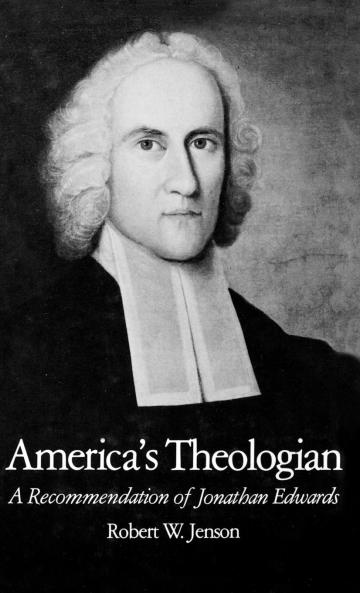
The author argues that Jonathan Edwards was very much a figure of the Enlightenment having thoroughly absorbed the thought of Newton and Locke. Unlike most other Americans however Edwards was also a discerning critic of the Enlightenment. He was able therefore to use Enlightenment thought in his theology without yielding to its mechanistic and individualistic tendencies. Jenson sees Edwards''s understanding as a radical corrective to what commitment to the Enlightenment later wrought in American life religious and otherwise. He argues that weaknesses in the common American faiths (a trivial evangelicalism or a deistical secularism) can be remedied by a recovery of Edwards''s vision and that weaknesses in American public moral discourse could likewise be remedied by a reaffirmation of Edwards''s God as the source and goal of all human existence.

Piracy-free

Assured Quality

Secure Transactions

Fast Delivery

Sustainably Printed
Details
ISBN 13
9780195049411
Publication Date
-01-02-1997
Pages
-240
Weight
-364 grams
Dimensions
-140x216x17.46 mm
