

English


₹5154
₹5425
5% OFF
(All inclusive*)
Paperback
Delivery Options
Please enter pincode to check delivery time.
*COD & Shipping Charges may apply on certain items.
Review final details at checkout.
Looking to place a bulk order? SUBMIT DETAILS
Delivery Options
Please enter pincode to check delivery time.
*COD & Shipping Charges may apply on certain items.
Review final details at checkout.
About The Book
Description
Author
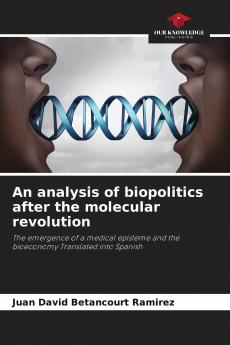
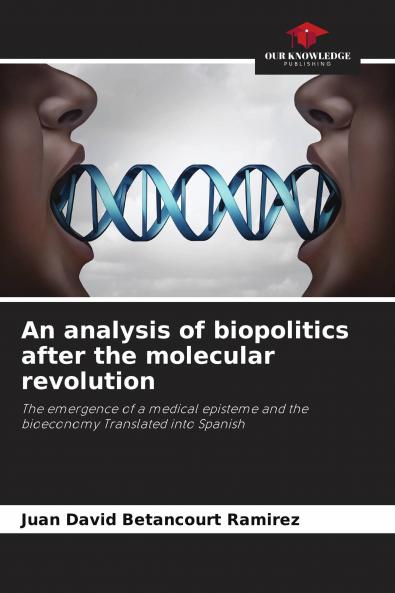
Public medicine as an institution in the 21st century must be understood in terms of the principles and actualizations of biological theory which constitutes its epistemic foundation. In other words from the way we understand life we need to understand its politicization and stateization: the biopolitics of population. After and with the molecular revolution of the twentieth century the process of molecularization of biology was consolidated [Morange 1994: 6-8] and successfully extrapolated to the field of medicine. This opened the gap between molecular medicine and conventional medicine insofar as the former defines pathologies in a genotypic-deductive way while the latter is above all phenotypic-inductive. Molecularization and geo-netization bring about a division at the heart of techniques epistemic principles and diagnostic methods at the core of medicine which forms the basis of the emergence of ethics committees in public health a manifest form of the new characterization of genetic biopolitics.

Piracy-free

Assured Quality

Secure Transactions

Fast Delivery

Sustainably Printed
Details
ISBN 13
9786206082361
Publication Date
-13-06-2023
Pages
-120
Weight
-174 grams
Dimensions
-150x220x6.77 mm
