

English


₹8371
₹10961
23.63% OFF
(All inclusive*)
Paperback
Delivery Options
Please enter pincode to check delivery time.
*COD & Shipping Charges may apply on certain items.
Review final details at checkout.
Looking to place a bulk order? SUBMIT DETAILS
Delivery Options
Please enter pincode to check delivery time.
*COD & Shipping Charges may apply on certain items.
Review final details at checkout.
About The Book
Description
Author
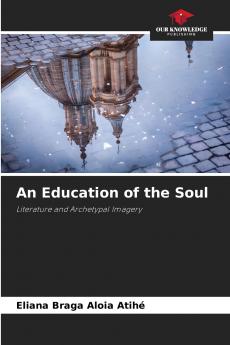
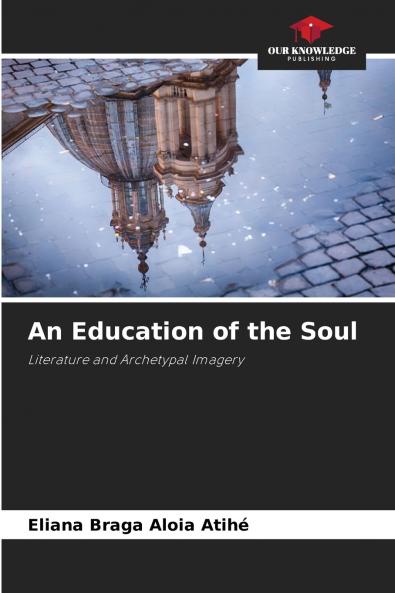
An education of the soul deals with cultivating the dimensions of humanity that formal education based on the classical scientific paradigm tends to exclude: feeling imagination memory. It seeks to intertwine theories that are permeable to the notion of the soul as the psychic entity that generates the images that anchor and mediate our experience in the reality of the world. Among them are Gilbert Durand's General Theory of the Imaginary C.G. Jung's Analytical Psychology James Hillman's Archetypal Psychology and José Carlos de Paula Carvalho's Factual Education. The text is permeated by an invitation to dialogue between Pedagogy and Depth Psychology the latter understood here literally as the Language of the Soul. The heart of the text however lies in the revisiting of three classics of literature that served as formative readings in the sense of cultivating the author's soul a process that was complementary concurrent antagonistic and cooperative with her schooling during her teenage years. Thus Gustave Flaubert's Madame Bovary Giovanni Boccaccio's Decameron and Emily Brönte's Wuthering Heights emerge recovered from subjectivity and mediated by the images of the soul and the imagination of culture.

Piracy-free

Assured Quality

Secure Transactions

Fast Delivery

Sustainably Printed
Details
ISBN 13
9786209429439
Publication Date
-23-12-2025
Pages
-280
Weight
-383 grams
Dimensions
-152x229x16.03 mm
