



English





Hardback
₹1824
(All inclusive*)
Delivery Options
Please enter pincode to check delivery time.
*COD & Shipping Charges may apply on certain items.
Review final details at checkout.
Looking to place a bulk order? SUBMIT DETAILS
Delivery Options
Please enter pincode to check delivery time.
*COD & Shipping Charges may apply on certain items.
Review final details at checkout.
About The Book
Description
Author
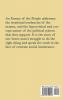
<p><strong>Henrik Ibsen's <em>An Enemy of the People</em> is one of the defining dramas of public truth civic pressure and moral isolation.</strong> When Dr. Thomas Stockmann discovers that the celebrated baths on which his town's prosperity depends are dangerously contaminated he expects gratitude for exposing the danger. Instead he finds himself opposed by politicians business interests the press and even neighbours who would rather protect the town's reputation than confront an inconvenient truth.</p><p>First published in 1882 and first produced in 1883 the play remains one of Ibsen's most enduring works of social criticism. Its conflict between conscience and majority opinion gives the drama unusual modern force touching on public health environmental responsibility political cowardice journalism family loyalty and the cost of speaking plainly when the public prefers reassurance. Dr. Stockmann's struggle is not merely against corruption but against the comfortable consensus that makes corruption possible.</p><p>A central work of modern European drama <em>An Enemy of the People</em> belongs with Ibsen's great plays of social confrontation and psychological pressure. It is essential reading for students of theatre Scandinavian literature nineteenth-century drama political drama and the development of modern realism on the stage.</p>

Piracy-free

Assured Quality

Secure Transactions

Fast Delivery

Sustainably Printed
Details
ISBN 13
9781515429227
Publication Date
-03-04-2018
Pages
-100
Weight
-236 grams
Dimensions
-152x229x9.53 mm
