

English


Paperback
₹5086
(All inclusive*)
Delivery Options
Please enter pincode to check delivery time.
*COD & Shipping Charges may apply on certain items.
Review final details at checkout.
Looking to place a bulk order? SUBMIT DETAILS
Delivery Options
Please enter pincode to check delivery time.
*COD & Shipping Charges may apply on certain items.
Review final details at checkout.
About The Book
Description
Author
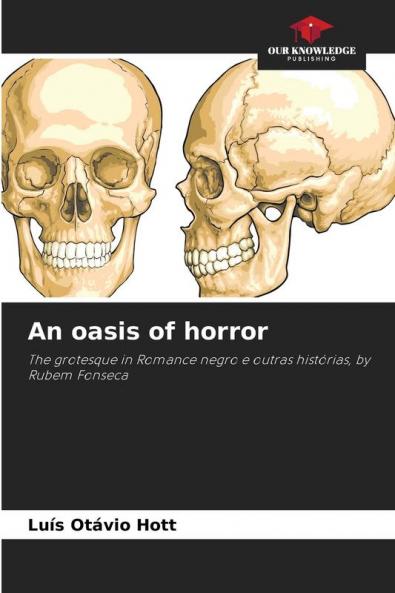
This study aims to analyse the narrative strategies that enable the representation of different aspects of the grotesque in Rubem Fonseca's novel Romance negro e outras histórias proposing the consideration of the grotesque as a discursive genre literary aesthetic attitude and cultural practice operating from two main paths: the grotesque as a predominant aesthetic representation in contemporary times and the grotesque as a form of transgression of the social codes in force in modern capitalist society.

Piracy-free

Assured Quality

Secure Transactions

Fast Delivery

Sustainably Printed
Details
ISBN 13
9786207709854
Publication Date
-25-06-2024
Pages
-100
Weight
-141 grams
Dimensions
-150x220x5.74 mm
