

English


₹11021
₹12650
12.88% OFF
(All inclusive*)
Hardback
Delivery Options
Please enter pincode to check delivery time.
*COD & Shipping Charges may apply on certain items.
Review final details at checkout.
Looking to place a bulk order? SUBMIT DETAILS
Delivery Options
Please enter pincode to check delivery time.
*COD & Shipping Charges may apply on certain items.
Review final details at checkout.
About The Book
Description
Author
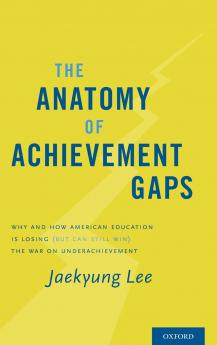
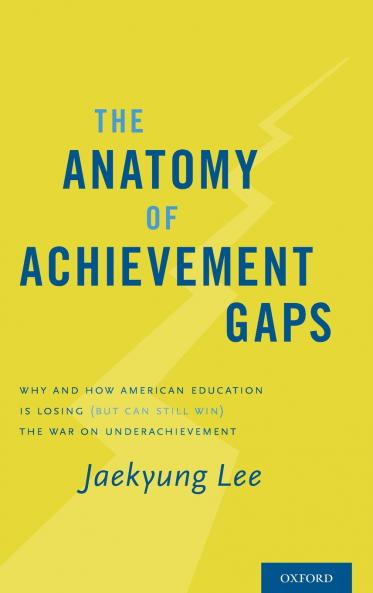
<p><em>The Anatomy of Achievement Gaps</em> offers a critical analysis of underachievement problems in American education from interdisciplinary international and systems perspectives. The book has several aims: to build a new model of achievement gap research and policy; to provide evidence on the state and alterability of achievement gaps; to synthesize separate lines of domestic and international achievement gap research; and to evaluate and inform American P-16 (pre-school through college) education policies.</p><p>In light of socioeconomic changes and educational paradigm shifts Jaekyung Lee extends the scope of analysis from a K-12 to a P-16 education pipeline and from domestic racial/social groups to international groups with focus on the case of South Korea. Through multilevel and longitudinal analyses of U.S. national and international datasets <em>The Anatomy of Achievement Gaps</em> provides new evidence on the status and trends of achievement gaps causes of these gaps and the effects of policy interventions. In an effort to evaluate the nation&#39;s strengths and weaknesses across the P-16 education pipeline it draws upon a wide range of educational data sources and indicators. Featuring cross-cultural perspectives beyond the U.S. Lee reframes achievement gap and educational accountability issues.</p>

Piracy-free

Assured Quality

Secure Transactions

Fast Delivery

Sustainably Printed
Details
ISBN 13
9780190217648
Publication Date
-01-12-2015
Pages
-458
Weight
-738 grams
Dimensions
-156x234x30.16 mm
