

English


₹4195
(All inclusive*)
Paperback
Delivery Options
Please enter pincode to check delivery time.
*COD & Shipping Charges may apply on certain items.
Review final details at checkout.
Looking to place a bulk order? SUBMIT DETAILS
Delivery Options
Please enter pincode to check delivery time.
*COD & Shipping Charges may apply on certain items.
Review final details at checkout.
About The Book
Description
Author
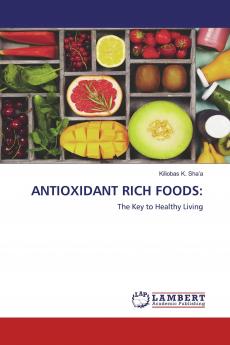
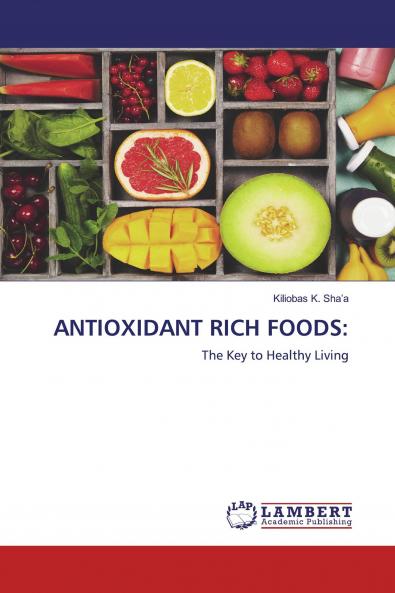
Free radicals or reactive species are molecules produced either from normal essential metabolic processes in the human body or from external sources such as exposure to X-Rays cigarette smoking air pollutants radiation ultraviolet light certain drugs pesticides industrial solvents etc. Free radicals are produced continuously in all cells as a result of both enzymatic and non-enzymatic reactions in the body. They are molecules mainly oxygen or nitrogen derived that have lost an electron in chemical bonding. The loss of an electron makes them unstable-very reactive. In that state they begin to covet their neighbor’s molecules’ electrons. In stealing an electron they behave like terrorists in the body and in doing so they attack and damage DNA leading to organ dysfunction mutation and cancer to say the least. They can attack enzymes proteins thereby disrupting normal cell activities or even cell membranes producing a chain reaction of destruction. If free radicals are not inactivated or stopped their activities can damage all cellular macromolecules- proteins carbohydrates lipids and nucleic acids. Free radicals have been implicated in the etiology of diseases such as cancer atherosclerosis neurodegenerative diseases infections chronic inflammatory diseases diabetes and autoimmune diseases. Antioxidants on the other hand are molecules or agents which inactivate or stop the activities of free radicals or scavenge free radicals to prevent the damage caused by them. Antioxidants act on free radicals or get rid of them by neutralizing their effect in a chemical reaction. In general antioxidants prolong the life span of oxidizable matter. In other words antioxidants are substances which protect cells from damage caused by these unstable molecules. They terminate these chain reactions by removing the free radical intermediates and inhibit other oxidation reactions by being oxidized themselves. Antioxidant activity can happen in several ways; these are i scavenging reactive species that initiate peroxidation ii chelating metal ions such that they are made to unstable to generate reactive species or decompose lipid peroxides iii quenching *O2 thereby preventing the formation of peroxides iv breaking the oxidative chain reaction and v reducing localized O2 concentrations. Antioxidants are either endogenous or exogenous. Endogenous antioxidants are metabolic antioxidants and are produced by metabolism in the body. They include lipoid acid glutathione L-arginine co-enzymeQ10 melatonin uric acid bilirubin metal chelating proteins etc. Exogenous antioxidants are nutrient antioxidants.

Piracy-free

Assured Quality

Secure Transactions

Fast Delivery

Sustainably Printed
Details
ISBN 13
9786200654076
Publication Date
-25-02-2020
Pages
-68
Weight
-101 grams
Dimensions
-150x220x4.09 mm
