



This Book is Out of Stock!
English


Hardback
₹5505
₹7928
30.56% OFF
(All inclusive*)
Delivery Options
*COD & Shipping Charges may apply on certain items.
Review final details at checkout.
Looking to place a bulk order? SUBMIT DETAILS
*COD & Shipping Charges may apply on certain items.
Review final details at checkout.
₹5505
₹7928
30% OFF
Hardback
Out Of Stock
All inclusive*
About The Book
Description
Author
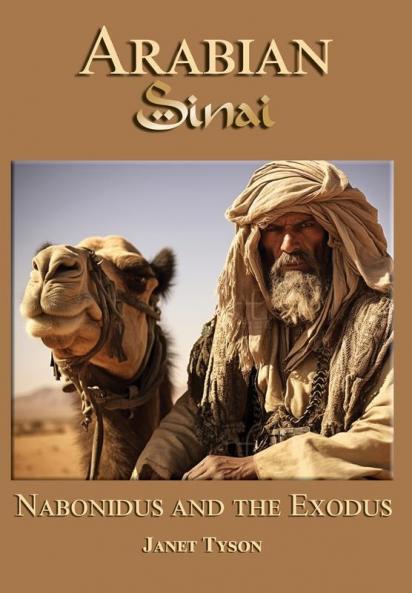
<p>The last King of Babylon Nabonidus did not fade into obscurity after the fall of his kingdom in 539 BCE. He led a small contingent of Israelites along with his own family and supporters to Jerusalem. He did not remain there but continued on first into Egypt on a personal mission then home to Tayma.</p><p>&nbsp;&nbsp;&nbsp;From his oasis base the ex-king attempted to launch a new religion based on a chimeric deity the I AM which was a blend of the familiar Sun Moon and Stars deities he favored and the Egyptian Sun-god Re who was represented by a unique acquisition hidden in the ark.</p><p>&nbsp;&nbsp;From an etymological analysis of personal names and toponyms in the exodus narratives it is shown that the characters of Abraham and Moses are representations of Nabonidus; that the events in the book of Exodus took place primarily in Northwestern Arabia; and that Mount Sinai is not a great mountain but a small nondescript mesa about 300 km from Tayma.&nbsp;&nbsp;</p><p>&nbsp;&nbsp;&nbsp;The exodus tales continue from the Song of Solomon which tells of Nabonidus' stormy marriage to the Egyptian princess Nitocris. The author of the Song as claimed in Tyson's <em>She Brought the Art of Women</em> is a woman very close to Nabonidus; she is on the exodus with him. Belshazzar Nabonidus' son also has a role to play.</p><p> The result of shifting the paradigm to embrace a wholly postexilic exodus is that everything suddenly 'makes sense'. Names places actions across several books of the Bible suddenly become connected and plausible as history as never before. There is a fascinating subtext to the exodus narratives that tells a remarkable very different story. Its time has come. </p><p> </p>

Piracy-free

Assured Quality

Secure Transactions

Fast Delivery

Sustainably Printed
Details
ISBN 13
9781739315467
Publication Date
-01-11-2024
Pages
-452
Weight
-696 grams
Dimensions
-152x229x34.93 mm
