

English


Paperback
₹6406
(All inclusive*)
Delivery Options
Please enter pincode to check delivery time.
*COD & Shipping Charges may apply on certain items.
Review final details at checkout.
Looking to place a bulk order? SUBMIT DETAILS
Delivery Options
Please enter pincode to check delivery time.
*COD & Shipping Charges may apply on certain items.
Review final details at checkout.
About The Book
Description
Author
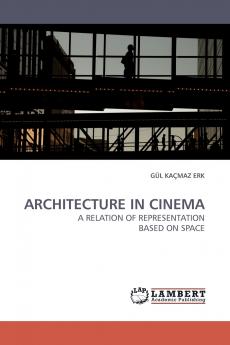
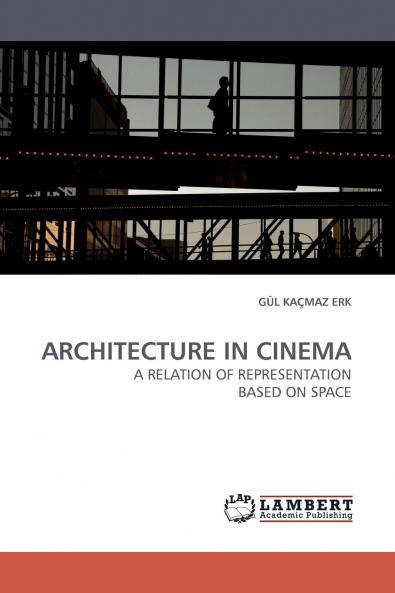
Architecture whether in the foreground or background is an intrinsic part of any film and cinema holds a position as a transformative reference in contemporary architecture. This book addresses the role of architecture in cinema and through a focus on the use of space it presents a critical overview of the relation between the two. The cinematic camera with its unique viewpoint has the ability to transform architectural space. Through framing flattening and editing cinematic space as the representation of architectural space focuses on its certain qualities while eliminating others. Thus cinema emphasizes individual aspects of space that may be overlooked when the whole context is considered. Space 'acts' in the foreground rather than simply filling the background in the films of Peter Greenaway and Wim Wenders which are used to analyze two significant cinematic approaches to space space as form and space as symbol. The detailed analysis of Greenaway's The Belly of an Architect and Wenders' Der Himmel über Berlin (Wings of Desire) offers an innovative and original perspective on space to those interested in both fields of architecture and film studies.

Piracy-free

Assured Quality

Secure Transactions

Fast Delivery

Sustainably Printed
Details
ISBN 13
9783838308692
Publication Date
-16-08-2009
Pages
-132
Weight
-181 grams
Dimensions
-150x220x7.38 mm
