

English


Paperback
₹5607
₹7344
23.65% OFF
(All inclusive*)
Delivery Options
Please enter pincode to check delivery time.
*COD & Shipping Charges may apply on certain items.
Review final details at checkout.
Looking to place a bulk order? SUBMIT DETAILS
Delivery Options
Please enter pincode to check delivery time.
*COD & Shipping Charges may apply on certain items.
Review final details at checkout.
About The Book
Description
Author
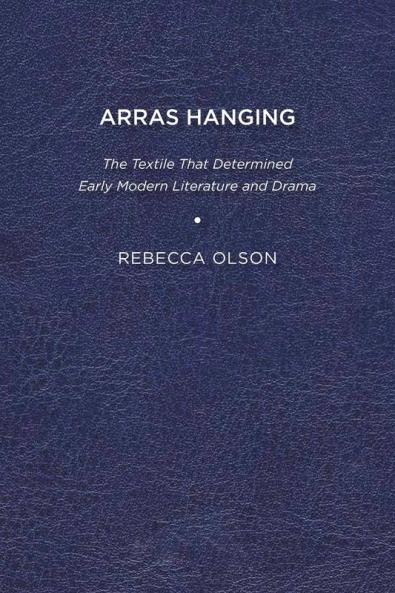
Textiles have long provided metaphors for storytelling: a compelling novel weaves a tapestry and we enjoy hearing someone spin a tale. To what extent however should we take these metaphors seriously?&nbsp;Arras Hanging: The Textile That Determined Early Modern Literature and Drama&nbsp;reveals that in the early modern period when cloth-making was ubiquitous and high-quality tapestries called arras hangings were the most valuable objects in England such metaphors were literal. The arras in particular provided a narrative model for writers such as Edmund Spenser and William Shakespeare who exploited their audience's familiarity with weaving to engage them in highly idiosyncratic and hands on ways. Specifically undescribed or blank tapestries in the period's fiction presented audiences with opportunities to see whatever they desired and thus weave themselves into the story. Far more than background objects literary and dramatic arras hangings have much to teach us about the intersections between texts and textiles at the dawn of print and more broadly about the status of visual art in post-Reformation England.<br> <br> Published by University of Delaware Press. Distributed worldwide by&nbsp;Rutgers University Press.<br> &nbsp;

Piracy-free

Assured Quality

Secure Transactions

Fast Delivery

Sustainably Printed
Details
ISBN 13
9781644530672
Publication Date
-26-09-2013
Pages
-180
Weight
-252 grams
Dimensions
-152x229x10.53 mm
