

English


Paperback
₹3193
₹3701
13.73% OFF
(All inclusive*)
Delivery Options
Please enter pincode to check delivery time.
*COD & Shipping Charges may apply on certain items.
Review final details at checkout.
Looking to place a bulk order? SUBMIT DETAILS
Delivery Options
Please enter pincode to check delivery time.
*COD & Shipping Charges may apply on certain items.
Review final details at checkout.
About The Book
Description
Author
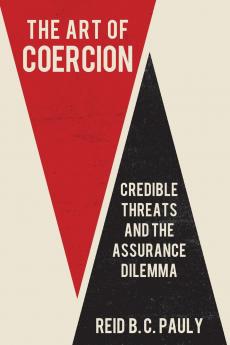
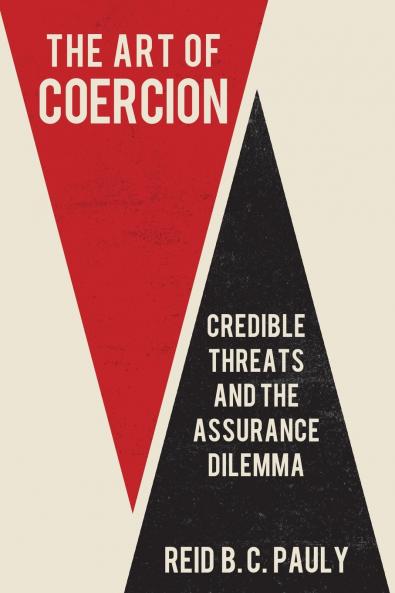
<p><b><i>The Art of Coercion</i></b><b> presents a fresh explanation for the success--and failure--of coercive demands in international politics.</p><p></b>Strong states are surprisingly bad at coercion. History shows they prevail only a third of the time. Reid B. C. Pauly argues that coercion often fails because targets fear punishment even if they comply. In this damned if you do damned if you don't scenario targets have little reason to obey. </p><p>Pauly illustrates this logic in nuclear counterproliferation efforts with South Africa Iraq Libya and Iran. He shows that coercers face an assurance dilemma When threats are more credible assurances not to punish are less so. But without credible assurances targets may defy threats bracing for seemingly inevitable punishment. For coercion to work as such coercers must not only make targets believe that they will be punished if they do not comply but also that they will not be if they do. </p><p>Packed with insights for any foreign policy challenge involving coercive strategies <i> The Art of Coercion</i> crucially corrects assumptions that tougher threats alone achieve results.</p>

Piracy-free

Assured Quality

Secure Transactions

Fast Delivery

Sustainably Printed
Details
ISBN 13
9781501782787
Publication Date
-01-07-2025
Pages
-254
Weight
-349 grams
Dimensions
-152x229x14.62 mm
