


Eng




₹4227
₹5502
23.17% OFF
(All inclusive*)
Paperback
Delivery Options
Please enter pincode to check delivery time.
*COD & Shipping Charges may apply on certain items.
Review final details at checkout.
Looking to place a bulk order? SUBMIT DETAILS
Delivery Options
Please enter pincode to check delivery time.
*COD & Shipping Charges may apply on certain items.
Review final details at checkout.
About The Book
Description
Author(s)
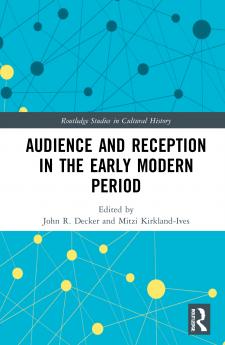
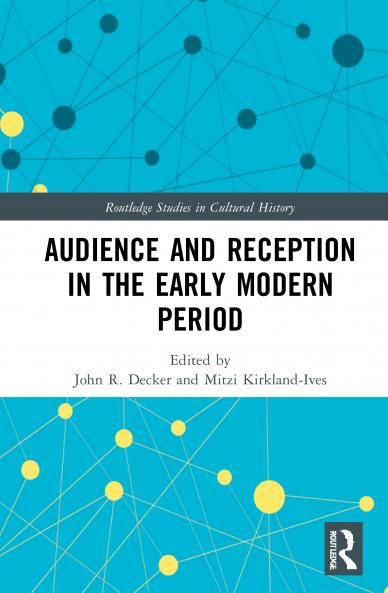
<p>Early modern audiences readerships and viewerships were not homogenous. Differences in status education language wealth and experience (to name only a few variables) could influence how a group of people or a particular person received and made sense of sermons public proclamations dramatic and musical performances images objects and spaces. The ways in which each of these were framed and executed could have a serious impact on their relevance and effectiveness. The chapters in this volume explore the ways in which authors poets artists preachers theologians playwrights and performers took account of and encoded pluriform potential audiences readers and viewers in their works and how these varied parties encountered and responded to these works. The contributors here investigate these complex interactions through a variety of critical and methodological lenses.</p>

Piracy-free

Assured Quality

Secure Transactions

Fast Delivery

Sustainably Printed
Details
ISBN 13
9780367676391
Publication Date
-31-05-2023
Pages
-418
Weight
-563 grams
Dimensions
-151.89x229.11x22.07475 mm
