

English


Paperback
₹9561
₹11169
14.4% OFF
(All inclusive*)
Delivery Options
Please enter pincode to check delivery time.
*COD & Shipping Charges may apply on certain items.
Review final details at checkout.
Looking to place a bulk order? SUBMIT DETAILS

Piracy-free

Assured Quality

Secure Transactions
About The Book
Description
Author
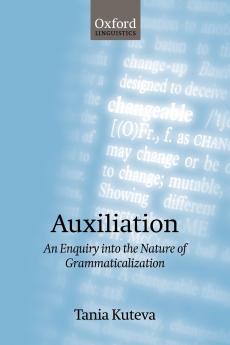
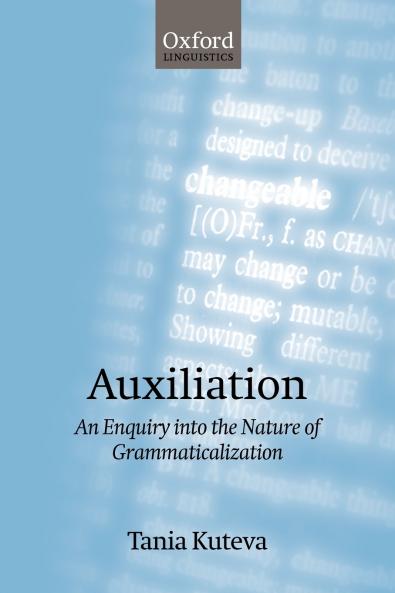
Auxiliation describes the process by which auxiliary verbs - such as do may must will and have - develop from lexical verbs meaning exist possess hold etc. The sequence of verb followed by complement turns into the grammatical structure of marker followed by main verb. This transformation which involves morphosyntactic semantic and phonological changes can be seen operating in the same direction across many (if not all) languages. There is no accepted theory to explain it. Tania Kuteva presents a cross-linguistic study of the phenomenon. She seeks (a) to explore the cognitive forces underlying auxiliation; (b) to shed light on how auxiliation relates to discourse and to pragmatic considerations; and (c) to show the relation between the conceptual-semantic and discourse-pragmatic factors at work in the process. Combining recent grammaticalization theory with insights from the psychology of language use the author also offers a new perspective on how grammaticalization occurs in everyday linguistic communication. The book makes significant contributions to an explanatory theory of auxiliation to the study of language change and to the understanding of linguistic communication.
Piracy-free
Assured Quality
Secure Transactions
Delivery Options
Please enter pincode to check delivery time.
*COD & Shipping Charges may apply on certain items.
Review final details at checkout.
Details
ISBN 13
9780199265053
Publication Date
-08-01-2004
Pages
-224
Weight
-325 grams
Dimensions
-156x234x12 mm
