





₹4987
₹5886
15.27% OFF
(All inclusive*)
Paperback
Delivery Options
Please enter pincode to check delivery time.
*COD & Shipping Charges may apply on certain items.
Review final details at checkout.
Looking to place a bulk order? SUBMIT DETAILS
Delivery Options
Please enter pincode to check delivery time.
*COD & Shipping Charges may apply on certain items.
Review final details at checkout.
About The Book
Description
Author
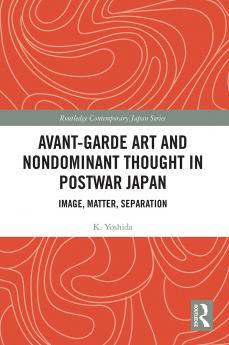
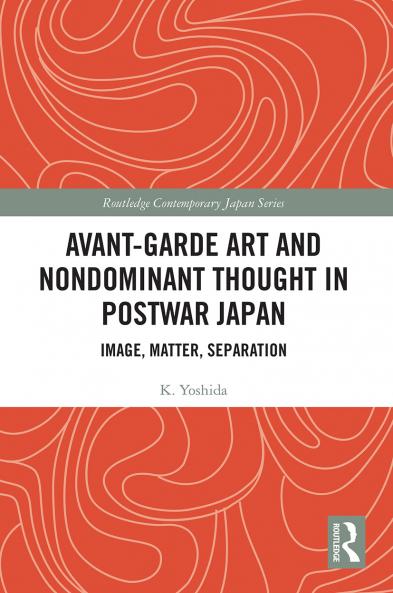
<p>This book offers a reassessment of how matter – in the context of art history criticism and architecture – pursued a radical definition of multiplicity against the dominant and hierarchical tendencies underwriting post-fascist Japan. </p><p>Through theoretical analysis of works by artists and critics such as Okamoto Taro Hanada Kiyoteru Kawara On Isozaki Arata Kawaguchi Tatsuo and Nakahira Takuma this highly illustrated text identifies formal oppositions frequently evoked in the Japanese avant-garde between cognition and image self and other human and thing and one and many in mediums ranging from painting and photography to sculpture and architecture. In addition to an aesthetics of separation which refuses the integrationist implications of the human the author proposes the anthropofugal – meaning <i>fleeing the human</i> – as an original concept through which to understand matter in the epistemic universe of the postwar Japanese avant-garde. Chapters in this publication offer critical insights into how artists and critics grounded their work in active disengagement to advance an ethics of nondominance.</p><p>Avant-Garde Art and Nondominant Thought in Postwar Japan will appeal to students and scholars of Japanese studies art history and visual cultures more widely.</p>

Piracy-free

Assured Quality

Secure Transactions

Fast Delivery

Sustainably Printed
Details
ISBN 13
9780367617967
Publication Date
-30-05-2022
Pages
-256
Weight
-369 grams
Dimensions
-155.96x233.93x13.75 mm
