

English


Paperback
₹1381
(All inclusive*)
Delivery Options
Please enter pincode to check delivery time.
*COD & Shipping Charges may apply on certain items.
Review final details at checkout.
Looking to place a bulk order? SUBMIT DETAILS

Piracy-free

Assured Quality

Secure Transactions
About The Book
Description
Author
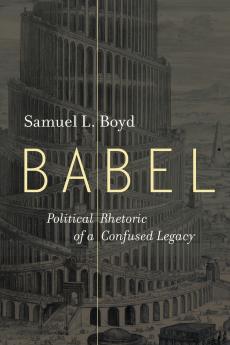
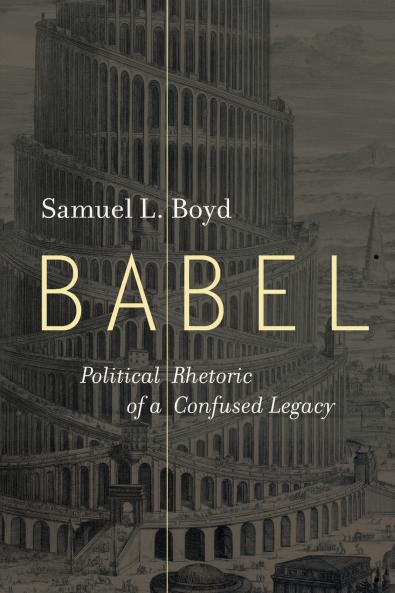
<p>In Babel: Political Rhetoric of a Confused Legacy Samuel L. Boyd offers a new reading of the Tower of Babel in Genesis 11:1-9. Using recent insights on the rhetoric of Neo-Assyrian politics and its ideology of governance as well as advances in biblical studies Boyd shows how the Tower of Babel was not originally about a tower Babylon or the advent of multilingualism at least in the earliest phases of the history and literary context of the story. Rather the narrative was a critique against the Assyrian empire using themes of human overreach found in many places in Genesis 1-11.</p><p>Boyd clarifies how idioms of Assyrian governance could have found their way into the biblical text and how the Hebrew of Genesis 11:1-9 itself leads to a different translation of the passage than found in versions of the Bible one that does not involve language. This new reading sheds light on how the story became about language. Boyd argues that this new understanding of Babel also illuminates aspects of the call of Abram when the Tower of Babel is interpreted as a story about something other than the origin of multilingualism. Finally he frames the historical-critical research on the biblical passage and its reception in ancient Jewish Christian and Islamic sources with the uses of the Tower of Babel in modern politics of language and nationalism. He demonstrates how and why Genesis 11:1-9 has become so useful in often detrimental ways to the modern nation-state. Boyd explores this intellectual history of the passage into current events in the twenty-first century and offers perspectives on how a new reading of the Tower of Babel can speak to the current cultural and political moment and offer correctives on the uses and abuses of the Bible in the public sphere.</p>
Piracy-free
Assured Quality
Secure Transactions
Delivery Options
Please enter pincode to check delivery time.
*COD & Shipping Charges may apply on certain items.
Review final details at checkout.
Details
ISBN 13
9781506480671
Publication Date
-20-06-2023
Pages
-346
Weight
-469 grams
Dimensions
-152x229x19.62 mm
