

English


Paperback
₹5247
(All inclusive*)
Delivery Options
Please enter pincode to check delivery time.
*COD & Shipping Charges may apply on certain items.
Review final details at checkout.
Looking to place a bulk order? SUBMIT DETAILS

Piracy-free

Assured Quality

Secure Transactions
About The Book
Description
Author
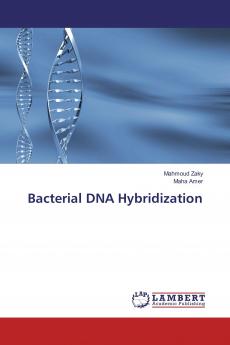
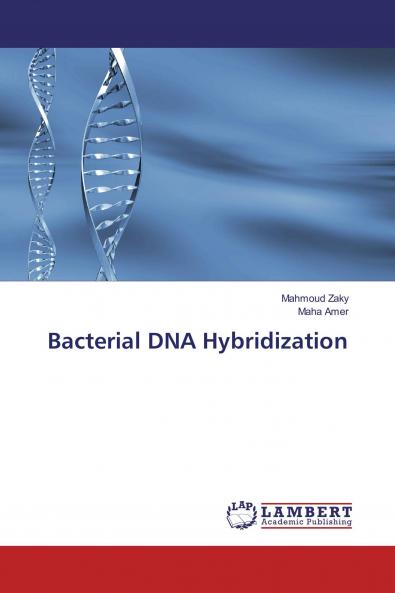
The nucleic acid hybridization is the process wherein two DNA or RNA single chains (mono-stranded) from different biological sources make the double catenary configuration based on contingent sequence homology of the two sources resulting DNA-DNA RNA-RNA or DNA-RNA hybrids. In the molecular genetic technique of hybridization of DNA single strands of DNA from two different species are allowed to join together to form hybrid double helices. These hybrid segments of DNA can be used to determine the evolutionary relatedness of organisms by examining how similar or dissimilar the DNA base pair sequences are. The technique of DNA hybridization is based on two principles: the first that double strands of DNA are held together by hydrogen bonds between complementary base pairs and the second is that the more closely related two species are the greater will be the number of complementary base pairs in the hybrid DNA. In other words the degree of hybridization is proportional to the degree of similarity between the molecules of DNA from the two species.
Piracy-free
Assured Quality
Secure Transactions
Delivery Options
Please enter pincode to check delivery time.
*COD & Shipping Charges may apply on certain items.
Review final details at checkout.
Details
ISBN 13
9786202010399
Publication Date
-28-07-2017
Pages
-128
Weight
-176 grams
Dimensions
-150x220x7.18 mm
