

English


Paperback
₹2880
(All inclusive*)
Delivery Options
Please enter pincode to check delivery time.
*COD & Shipping Charges may apply on certain items.
Review final details at checkout.
Looking to place a bulk order? SUBMIT DETAILS
Delivery Options
Please enter pincode to check delivery time.
*COD & Shipping Charges may apply on certain items.
Review final details at checkout.
About The Book
Description
Author
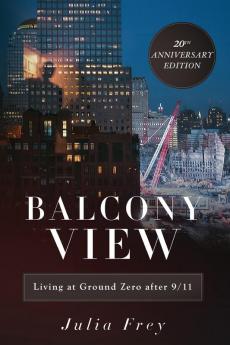
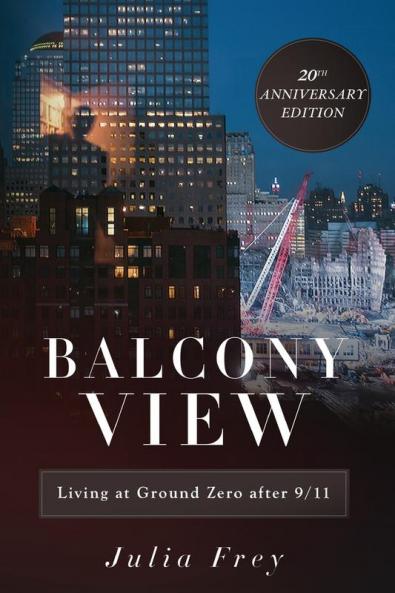
“What if you had a dying child spouse lover parent and the world caved in? These days it happens with increading frequency. JUlia Frey's hugely powerful narrative of double coping -- with her husband’s progressive illness and with the after-effects of 9/11 -- describes a situation the manuals don’t cover -- caregiving in a disaster. But the current covid pandemic makes it tragically timely: carers with gravely ill loved ones now find themselves trapped by cataclysmic climate-change events: torrential rainfalls wildfires unnatural freezes unexpected hurricanes and repeated flooding.. What was it like after the Towers fell to live in a war zone with a gravely ill husband? Julia Frey’s BALCONY VIEW is far more than a 9/11 story. In this unique historic diary -- the handwritten original is in the 9/11 Museum in New York -- Frey a distinguished biographer found herself in the unenviable position of writing about a life as it was falling apart -- her own. Her vivid wry tender book describes living for six months at Ground Zero with writer Ron Sukenick during his terminal illness.. A beautifully written clear-eyed portrait of simple courage remarkable humor generosity and decency.”Douglas Penick writer literary critic“The view from this balcony is compelling and utterly unique. Julia Frey has a first row seat for the two tragedies which mark her existence -- the terrorist attacks on the World Trade Center and her husband’s progressively disabling malady. She peers down at the excavation of Ground Zero and brings us an account both riveting and thoughtful despairing and buoyant graceful and frank. As she navigates post 9-11 Manhattan and a marriage that has been dealt the blow of untimely illness we get to see up-close how ordinary people get through extraordinary times. With her deft touch and her sharp-warm humor Frey is the perfect guide for such daunting territory.” Elizabeth Scarboro author: My Foreign Cities.. Julia Frey’s remarkable account begins on September 11 2001 as the couple decide that no matter how weak Ron is they must somehow flee. They abandon his wheelchair. He is too frail to climb on a boat. Later that day covered with ashes they struggle home through a neighborhood pitched into destruction and chaos to look out his study window at their new view: “the stage-set for Dante’s Inferno.” The domino effect of one burning collapsing building setting fire to the next one makes it clear that their own building could still go. “The electricity was out. Ron could never go down 26 flights on his rear end. We were trapped in the sky.”That’s when Julia decides to write it all down -- if only for the people who will find their bodies. Describing the first night in the the ruins being evacuated then returning weeks later to live at Ground Zero she discovers that their world has totally changed yet finally not changed at all. “Our previous problems didn’t magically disappear. They were just waiting for us to come back in the door.”Frey's intense yet humorous ‘you are there’ style moves the diary swiftly along catching us in a gripping touching brave and yes funny story of falling towers a failing husband and a floundering ménage à trois. “Nothing happens in a vacuum” she says weaving in the leitmotif of a love affair.Unflinchingly she faces the ruins outside and her frightening inner ambivalence as she sacrifices creative and professional life to nurse her husband. Ron is no angel either -- the self-centered willful novelist insists she take a lover then wants her to give him up. “What makes him think he can turn us off and on like televisions?” she wonders. In a poignant Coda she describes an almost supernatural series of events after Ron dies. There is even a happy ending.

Piracy-free

Assured Quality

Secure Transactions

Fast Delivery

Sustainably Printed
Details
ISBN 13
9781662912795
Publication Date
-28-08-2021
Pages
-332
Weight
-451 grams
Dimensions
-152x229x22.92 mm
