

Panjabi
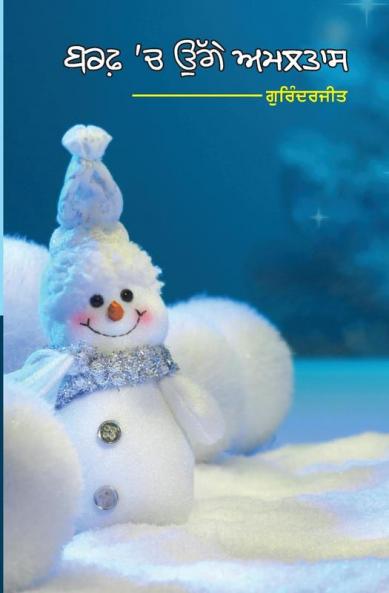


Paperback
₹817
(All inclusive*)
Delivery Options
Please enter pincode to check delivery time.
*COD & Shipping Charges may apply on certain items.
Review final details at checkout.
Looking to place a bulk order? SUBMIT DETAILS
Delivery Options
Please enter pincode to check delivery time.
*COD & Shipping Charges may apply on certain items.
Review final details at checkout.
About The Book
Description
Author
<p><strong style=color: rgba(0 0 0 1)>ਭਾਸ਼ਾ ਵਿਭਾਗ ਪੰਜਾਬ ਵੱਲੋਂ 2025 ਲਈ ਭਾਈ ਵੀਰ ਸਿੰਘ ਪੁਰਸਕਾਰ ਲਈ ਚੁਣੀ ਸਰਵੋਤਮ ਪੁਸਤਕ (</strong>https://Bimbabli.wordpress.com)</p><p><span style=color: rgba(0 0 0 1)>ਬਰਫ਼&nbsp;'ਚ ਉੱਗੇ ਅਮਲਤਾਸ ਪੰਜਾਬੀ ਪਰਵਾਸੀ ਦੇ ਸਫ਼ਰ ਦੀ ਸਾਂਝੀ ਆਤਮਕਥਾ ਹੈ ਜੋ ਪੰਜਾਬ&nbsp;'ਚ ਜੰਮੇ ਤੇ ਪੜ੍ਹੇ ਮੁੰਡੇ ਦੇ ਉੱਤਰੀ ਅਮਰੀਕਾ&nbsp;'ਚ ਪੜ੍ਹਨ ਤੇ ਵਿਚਰਨ ਦੇ ਨਿੱਕੇ-ਨਿੱਕੇ ਪਲਾਂ ਦੀ ਕਵਿਤਾ ਤੇ ਵਾਰਤਕ ਦਾ ਤਾਣਾ ਬਾਣਾ ਬੁਣਦੀ-ਬੁਣਦੀ ਅਨੇਕਾਂ ਵਿਸ਼ਿਆਂ ਤੇ ਸਰੋਕਾਰਾਂ ਨੂੰ ਪਰੋਂਦੀ ਹੈ।</span></p><p></p><p><span style=color: rgba(0 0 0 1)>Baraf ch Ugge Amaltas is written in Punjabi (Gurmukhi). </span></p><p><span style=color: rgba(0 0 0 1)>The book follows the trail of a Punjabi boy who after enjoying his student life to the fullest in India moves to North America. Unlike a typical memoire the author brings his real-life stories through intertwined poetry and prose with a sprinkle of humor and fictional tidbits.&nbsp;</span></p><p><span style=color: rgba(0 0 0 1)>The first chapter&nbsp;</span><strong style=color: rgba(0 0 0 1)><em>Bimbabli</em></strong><span style=color: rgba(0 0 0 1)> intimately stitches his childhood imagery.</span></p><p><span style=color: rgba(0 0 0 1)>The second chapter&nbsp;</span><strong style=color: rgba(0 0 0 1)><em>Google Ton Pehlan</em></strong><span style=color: rgba(0 0 0 1)>&nbsp;(Prior to Google) reimagines how the pre-internet age led to stories that wouldn't have happened otherwise.</span></p><p><span style=color: rgba(0 0 0 1)>The third chapter&nbsp;</span><strong style=color: rgba(0 0 0 1)><em>Parvaas&nbsp;</em></strong><span style=color: rgba(0 0 0 1)>(Migration) takes the reader through various stages of a Punjabi immigrant living in the West.</span></p><p><span style=color: rgba(0 0 0 1)>The fourth chapter&nbsp;</span><strong style=color: rgba(0 0 0 1)><em>Baraf Ch Ugge Amaltas</em></strong><span style=color: rgba(0 0 0 1)>&nbsp;(Amaltas grown in the Snow) is about the children of first gen immigrants and their internal and external challenges.</span></p><p><span style=color: rgba(0 0 0 1)>Chapter five&nbsp;</span><strong style=color: rgba(0 0 0 1)><em>Kaviology</em></strong><span style=color: rgba(0 0 0 1)>&nbsp;(The science of Poetry) enumerates various colors and shades of poetry in the context of migration related themes.</span></p><p><span style=color: rgba(0 0 0 1)>Chapter six&nbsp;</span><strong style=color: rgba(0 0 0 1)><em>Greta Thunberg De Khaab</em></strong><span style=color: rgba(0 0 0 1)>&nbsp;(Dreams of Greta Thunberg) touches upon the side-effects of green revolution &amp; economic growth on the environment through the eyes of a migrant.</span></p><p><span style=color: rgba(0 0 0 1)>Chapter Seven&nbsp;</span><strong style=color: rgba(0 0 0 1)><em>Tikkri Border</em></strong><span style=color: rgba(0 0 0 1)> is a visualization of the recent Farmers' Agitation in a dream while sitting in the foreign land.</span></p><p><span style=color: rgba(0 0 0 1)>The last chapter&nbsp;</span><strong style=color: rgba(0 0 0 1)><em>Nago Aye Nago Jaasee</em></strong><span style=color: rgba(0 0 0 1)> completes this journey with Covid ups &amp; downs and metaphysical thoughts about life.</span></p>

Piracy-free

Assured Quality

Secure Transactions

Fast Delivery

Sustainably Printed
Details
ISBN 13
9781069036001
Publication Date
-01-10-2024
Pages
-256
Weight
-341 grams
Dimensions
-149x226x13.67 mm
