

English


₹978
₹1080
9.44% OFF
(All inclusive*)
Paperback
Delivery Options
Please enter pincode to check delivery time.
*COD & Shipping Charges may apply on certain items.
Review final details at checkout.
Looking to place a bulk order? SUBMIT DETAILS
Delivery Options
Please enter pincode to check delivery time.
*COD & Shipping Charges may apply on certain items.
Review final details at checkout.
About The Book
Description
Author
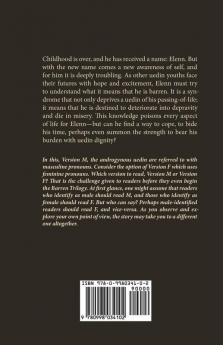
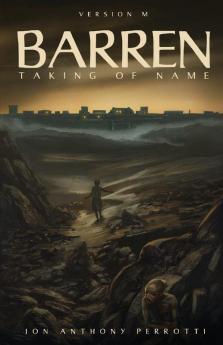
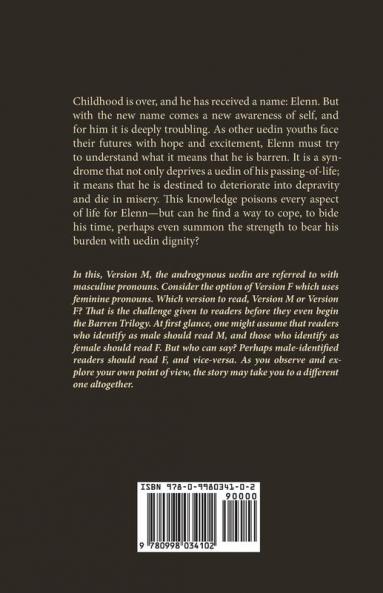
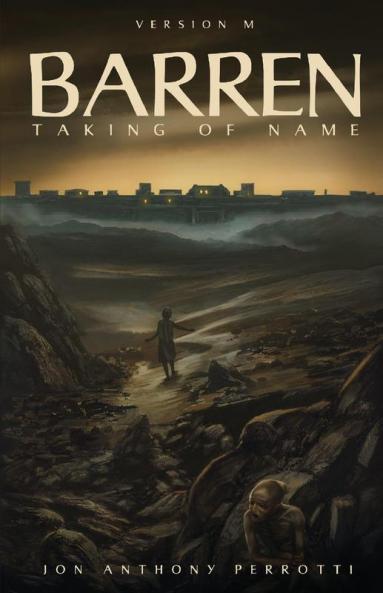
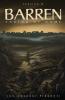
<p>Childhood is over and he has received a name: Elenn.&nbsp; But with the new name comes a new awareness of self and for him it is deeply troubling.&nbsp; As other uedin youths face their futures with hope and excitement Elenn must try to understand what it means that he is barren.&nbsp; It is a syndrome that not only deprives a uedin of his passing-of-life; it means that he is destined to deteriorate into depravity and die in misery.&nbsp;&nbsp; This knowledge poisons every aspect of life for Elenn&mdash;but can he find a way to cope to bide his time perhaps even summon the strength to bear his burden with uedin dignity?</p><p><em>In this Version M the androgynous uedin are referred to with masculine pronouns. Consider the option of Version F which uses feminine pronouns.&nbsp; Which version to read Version M or Version F?&nbsp; That is the challenge given to readers before they even begin the Barren Trilogy.&nbsp; At first glance one might assume that readers who identify as male should read M and those who identify as female should read F.&nbsp; But who can say?&nbsp; Perhaps male-identified readers should read F and vice-versa.&nbsp; As you observe and explore your own point of view the story may take you to a different one altogether.</em></p>

Piracy-free

Assured Quality

Secure Transactions

Fast Delivery

Sustainably Printed
Details
ISBN 13
9780998034102
Publication Date
-18-12-2018
Pages
-296
Weight
-351 grams
Dimensions
-140x216x16.9 mm
