

Eng


₹5872
₹7740
24.13% OFF
(All inclusive*)
Paperback
Delivery Options
Please enter pincode to check delivery time.
*COD & Shipping Charges may apply on certain items.
Review final details at checkout.
Looking to place a bulk order? SUBMIT DETAILS
Delivery Options
Please enter pincode to check delivery time.
*COD & Shipping Charges may apply on certain items.
Review final details at checkout.
About The Book
Description
Author
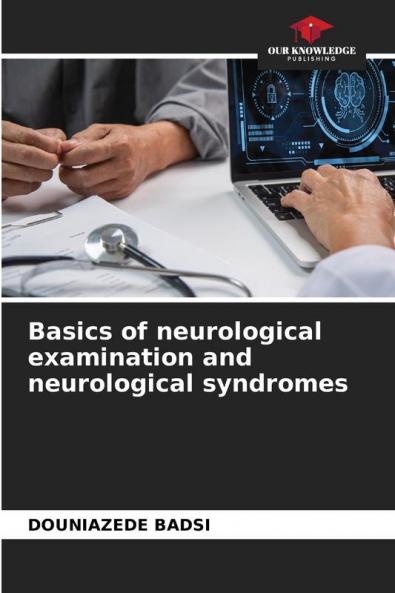
The essence of neurological diagnosis is acquired during the interview or interrogation with the patient at the end of which one or more hypotheses are put forward based on the patient's statement i.e. symptoms (or complaints). The latter may have the value of clinical signs.The purpose of the clinical examination which collects clinical signs is to :to confirm that the expected clinical signs are indeed present and to refine them; to determine which oculomotor nerve is affected in the case of diplopia; to select the most probable hypothesis when several hypotheses are present; and finally to establish a topographical diagnosis.This very practical book explains in a simple and concise way how to correctly conduct a neurological examination.The book is designed to cover all common clinical situations and the pitfalls to be avoided. Patient photos and anatomical diagrams make it easy to understand.This new edition includes the neurological examination of the comatose patient as well as the various neurological pathological syndromes.

Piracy-free

Assured Quality

Secure Transactions

Fast Delivery

Sustainably Printed
Details
ISBN 13
9786209400230
Publication Date
-17-02-2026
Pages
-72
Weight
-111 grams
Dimensions
-152x229x4.38 mm
