



English



Paperback
₹3873
₹4621
16.19% OFF
(All inclusive*)
Delivery Options
Please enter pincode to check delivery time.
*COD & Shipping Charges may apply on certain items.
Review final details at checkout.
Looking to place a bulk order? SUBMIT DETAILS

Piracy-free

Assured Quality

Secure Transactions
About The Book
Description
Author
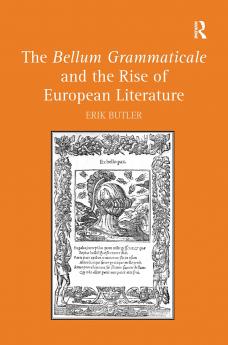
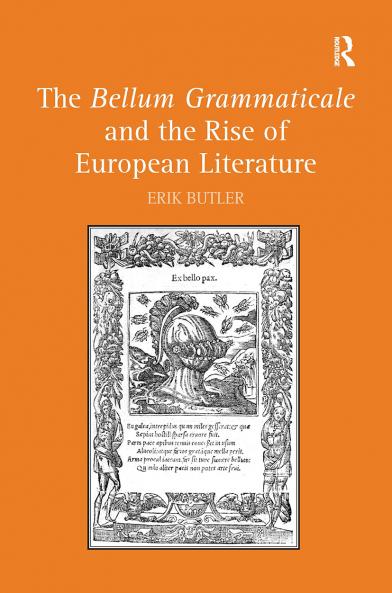
The now-forgotten genre of the bellum grammaticale flourished in the sixteenth- and seventeenth centuries as a means of satirizing outmoded cultural institutions and promoting new methods of instruction. In light of works written in Renaissance Italy ancien régime France and baroque Germany (Andrea Guarna's Bellum Grammaticale [1511] Antoine Furetière's Nouvelle allégorique [1658] and Justus Georg Schottelius' Horrendum Bellum Grammaticale [1673]) this study explores early modern representations of language as war. While often playful in form and intent the texts examined address serious issues of enduring relevance: the relationship between tradition and innovation the power of language to divide and unite peoples and canon-formation. Moreover the author contends the language wars illuminate the shift from a Latin-based understanding of learning to the acceptance of vernacular erudition and the emergence of national literature.
Piracy-free
Assured Quality
Secure Transactions
Delivery Options
Please enter pincode to check delivery time.
*COD & Shipping Charges may apply on certain items.
Review final details at checkout.
Details
ISBN 13
9781032929798
Publication Date
-14-10-2024
Pages
-158
Weight
-234 grams
Dimensions
-155.96x233.93x8.72 mm
