

English


Hardback
₹15830
₹19742
19.82% OFF
(All inclusive*)
Delivery Options
Please enter pincode to check delivery time.
*COD & Shipping Charges may apply on certain items.
Review final details at checkout.
Looking to place a bulk order? SUBMIT DETAILS
Delivery Options
Please enter pincode to check delivery time.
*COD & Shipping Charges may apply on certain items.
Review final details at checkout.
About The Book
Description
Author
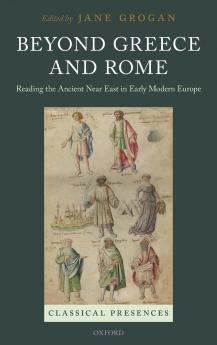
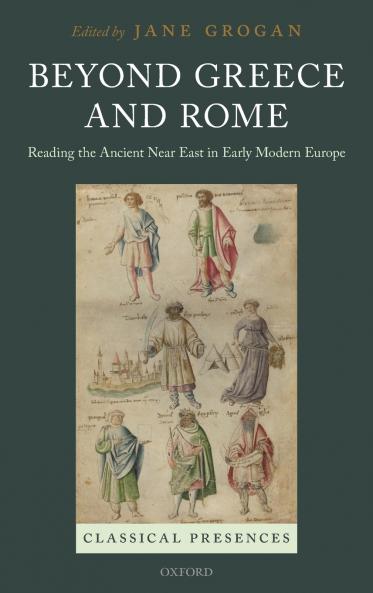
Though the subject of classical reception in early modern Europe is a familiar one modern scholarship has tended to assume the dominance of Greece and Rome in engagements with the classical world during that period. The essays in this volume aim to challenge this prevailing view by arguing<br>for the significance and familiarity of the ancient near east to early modern Europe establishing the diversity and expansiveness of the classical world known to authors like Shakespeare and Montaigne in what we now call the 'global Renaissance'. However global Renaissance studies has tended to<br>look away from classical reception exacerbating the blind spot around the significance of the ancient near east for early modern Europe. Yet this wider classical world supported new modes of humanist thought and unprecedented cross-cultural encounters as well as informing new forms of writing <br>such as travel writing and antiquarian treatises; in many cases and befitting its Herodotean origins the ancient near east raises questions of travel empire religious diversity cultural relativism and the history of European culture itself in ways that prompted detailed engaging and<br>functional responses by early modern readers and writers. Bringing together a range of approaches from across the fields of classical studies history and comparative literature this volume seeks both to emphasize the transnational interdisciplinary and interrogative nature of classical<br>reception and to make a compelling case for the continued relevance of the texts concepts and materials of the ancient near east specifically to early modern culture and scholarship.

Piracy-free

Assured Quality

Secure Transactions

Fast Delivery

Sustainably Printed
Details
ISBN 13
9780198767114
Publication Date
-01-06-2020
Pages
-356
Weight
-598 grams
Dimensions
-156x234x20.64 mm
