

English


₹11709
₹15014
22.01% OFF
(All inclusive*)
Hardback
Delivery Options
Please enter pincode to check delivery time.
*COD & Shipping Charges may apply on certain items.
Review final details at checkout.
Looking to place a bulk order? SUBMIT DETAILS
Delivery Options
Please enter pincode to check delivery time.
*COD & Shipping Charges may apply on certain items.
Review final details at checkout.
About The Book
Description
Author
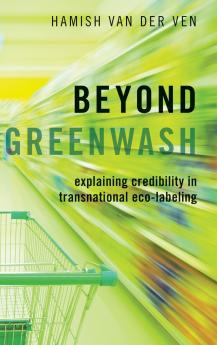
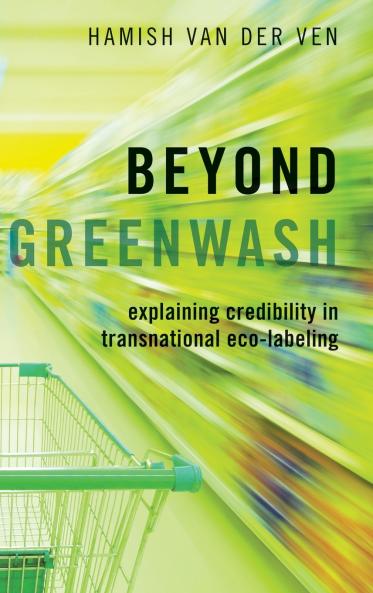
From green frogs and blue angels to white bunnies modern consumers are confronted by a growing array of colorful eco-labels on everything from coffee to computers. When eco-labels are credible they can lead to dramatic change in environmental practices broadly and quickly by leveraging the purchasing power of corporate clients (e.g. Walmart and McDonalds) to influence global supply chains. But the credibility of such labels is highly variable; and despite the existence of established practices for eco-labeling many labels remain little more than superficial exercises in greenwash. How can consumers separate greenwash from genuine attempts to address environmental challenges? <p/><em>Beyond Greenwash</em> addresses this question by systematically investigating the credibility of transnational eco-labeling organizations across countries and commercial sectors. Using an innovative proxy measure for credibility that examines adherence to established best practices Hamish van der Ven proposes a novel theory of rigor and credibility in transnational eco-labeling that upends conventional wisdom. He argues that the credibility of an eco-label does not depend on who creates or manages it-whether a government industry association professional standard setter or environmental NGO. Rather it depends on which types of businesses use the label. More specifically eco-labeling organizations that target bigger consumer-facing retailers tend to create credible eco-labels out of a desire to insulate their clients from critical scrutiny and gain acceptance in new markets. This theory challenges the conventional wisdom that only governments or environmental NGOs can create meaningful environmental governance and suggests that who is being governed matters as much if not more than who is doing the governing.<br>

Piracy-free

Assured Quality

Secure Transactions

Fast Delivery

Sustainably Printed
Details
ISBN 13
9780190866006
Publication Date
-19-04-2019
Pages
-248
Weight
-450 grams
Dimensions
-156x234x15.88 mm
