

English


Hardback
₹7644
₹7663
0.25% OFF
(All inclusive*)
Delivery Options
Please enter pincode to check delivery time.
*COD & Shipping Charges may apply on certain items.
Review final details at checkout.
Looking to place a bulk order? SUBMIT DETAILS

Piracy-free

Assured Quality

Secure Transactions
About The Book
Description
Author
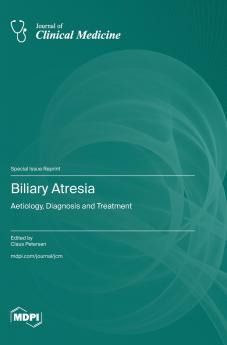
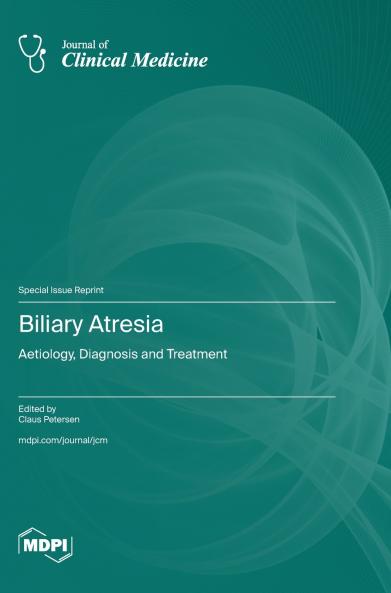
<p>Despite extensive clinical and basic research we know very little about the aetiology and pathomechanism of biliary atresia (BA). Today it is a matter of common sense that early diagnosis (screening programs) sequential surgical treatment (the Kasai procedure and optional liver transplantation) and thorough follow-up in paediatric liver units improve survival rates among BA patients with native livers. However BA still remains the most frequent indication of paediatric liver transplantation in patients with an unfavourable outcome after the Kasai procedure because the survival with native liver drops below 30% over the long term. Therefore the following aspects should be considered alongside individual health issues: first early organ replacement is a multifactorial burden for the growing organism and second every patient who survives with their native liver relieves the limited availability of donor organs and benefits national health expenditures with economic savings. From that point of view international and interdisciplinary strategies are mandatory in as much as BA is a rare disease. Over the past several years national and international initiatives have been established in order to improve screening centralization diagnosis as well as surgical and adjuvant treatment protocols. One such initiative is the recently launched European rare diseases network rare-liver.</p>
Piracy-free
Assured Quality
Secure Transactions
Delivery Options
Please enter pincode to check delivery time.
*COD & Shipping Charges may apply on certain items.
Review final details at checkout.
Details
ISBN 13
9783725812172
Publication Date
-23-05-2024
Pages
-218
Weight
-465 grams
Dimensions
-170x244x19.05 mm
